
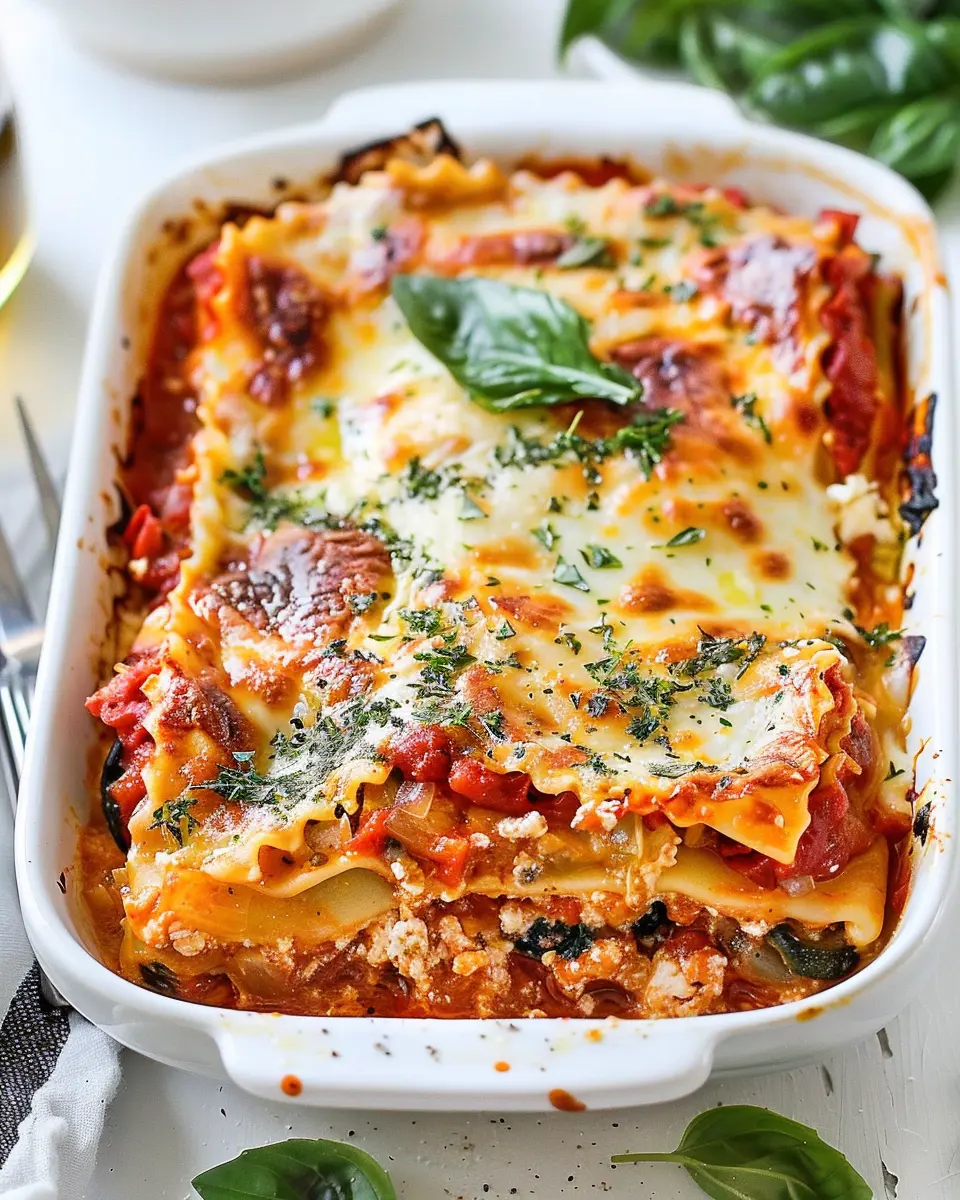
Introduction to Vegetable Lasagna
When it comes to quick and satisfying meals, vegetable lasagna is a true superstar! It’s not just indulgent; it’s a delightful way to incorporate more veggies into your diet, hitting that perfect balance between being nutritious and utterly delicious. But why is making vegetable lasagna at home such a game changer for busy young professionals?
Why Homemade Vegetable Lasagna is a Game Changer for Young Professionals
For those of us navigating the bustling world of deadlines and meetings, cooking often seems like yet another task on a never-ending to-do list. However, embracing the art of homemade vegetable lasagna can be a satisfying escape. Imagine coming home after a long day, knowing that a hearty, enriching meal awaits you in the fridge, ready to be reheated and enjoyed.
Benefits of Homemade Vegetable Lasagna:
-
Nutritional Control: Making your own means you’re in control of the ingredients. Want to sneak in some kale or spinach? Go for it! This flexibility allows you to customize the flavors and nutrients to cater specifically to your taste and dietary needs.
-
Budget-Friendly: Cooking at home is generally more economical than dining out. You can make a large batch that provides several meals throughout the week, saving both time and money. Sites like EatWell101 offer countless tips on meal prepping and budgeting.
-
Convenience in Leftovers: Vegetable lasagna also features the added bonus of yielding delicious leftovers. It stores well in the fridge or freezer, enabling you to enjoy a nourishing meal without the hassle of cooking every day.
-
Boost Your Cooking Skills: Engaging with a recipe like this one can enhance your culinary skills, making you more confident in the kitchen. Imagine impressing your friends with your newfound talent!
So, why wait? Embrace the transformative power of homemade vegetable lasagna. Not only will it elevate your meal planning game, but it will also bring a sense of accomplishment every time you dig into that gooey, cheesy layer of goodness. Stay tuned for the full recipe that will have you whipping up your favorite comfort food in no time!
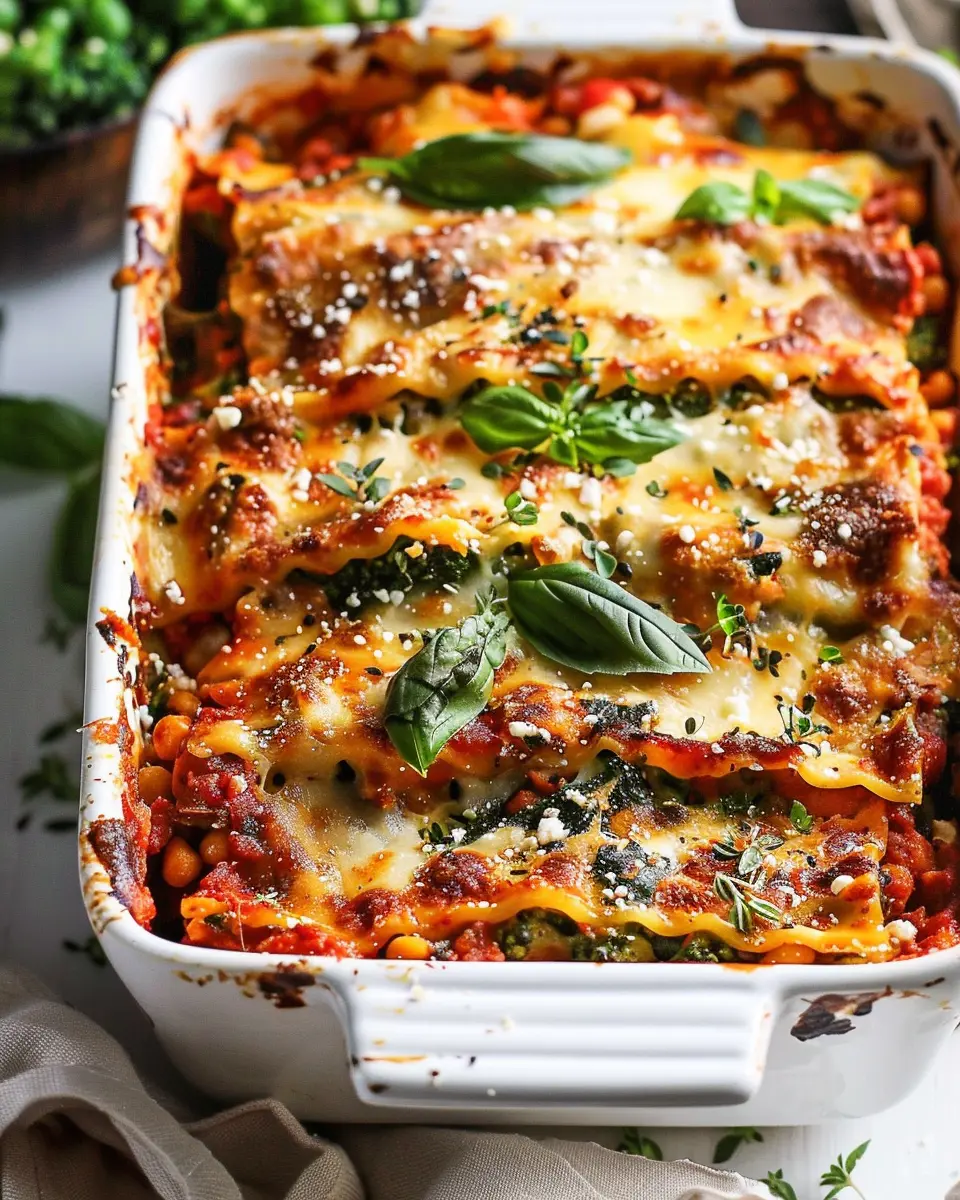
Ingredients for Vegetable Lasagna
Essential ingredients for a flavorful vegetable lasagna
Creating a superb vegetable lasagna starts with the right mix of ingredients. Here’s what you’ll need:
- Lasagna noodles: Look for whole wheat or gluten-free options if that’s your style.
- Ricotta cheese: This creamy base offers a delightful texture; you can mix in some spinach for added flavor.
- Mozzarella cheese: Choose low-fat mozzarella for a healthier twist; it melts beautifully.
- Parmesan cheese: A sprinkle adds that rich, salty touch.
- Fresh vegetables: Zucchini, bell peppers, and mushrooms are fantastic choices, but feel free to get creative!
- Marinara sauce: A homemade sauce gives the best flavor, but store-bought can work too.
- Fresh herbs: Basil and oregano elevate the dish effortlessly.
Substitutes for dietary restrictions
We all have unique dietary needs, so here are some handy substitutes to consider for your vegetable lasagna:
- Swap ricotta cheese with non-dairy alternatives like cashew or almond ricotta for a vegan option.
- Use lentils or chickpeas if you’d like a protein boost and to skip cheese altogether.
- Seek out gluten-free noodles for a celiac-safe meal.
Remember, flexibility is key in cooking! Tailor the ingredients to suit your personal taste and dietary requirements. For more tips, check out The Kitchn for helpful alternatives.
Preparing Vegetable Lasagna
Creating a delicious vegetable lasagna is a rewarding experience that can elevate your cooking game. Whether you’re a pro in the kitchen or just starting out, I’ll walk you through this delightful dish step-by-step, ensuring that every layer is packed with flavor and nutrients.
Prepping Your Ingredients for Optimal Flavor
Before diving into the actual cooking, it’s essential to prep your ingredients. This step not only saves time later but also enhances the flavors in your vegetable lasagna. Begin by selecting a vibrant mix of seasonal vegetables.
- Recommended veggies: Zucchini, bell peppers, spinach, mushrooms, and carrots.
- Cheese: Mozzarella, ricotta, and Parmesan for that creamy, cheesy goodness.
- Herbs: Fresh basil, oregano, and thyme can make a world of difference.
Chop your vegetables into uniform pieces for even cooking. If you’re unsure which veggies to use, check out this article on seasonal vegetables to inspire your choices. Prepping your ingredients in advance allows you to focus on layering and cooking without interruption.
Cooking the Vegetable Medley
Once your veggies are prepped, it’s time to cook them to bring out their natural flavors. Heat a splash of olive oil in a large skillet over medium heat. Add the chopped onions first; their sweetness will enhance the overall flavor.
- Sauté until translucent, about 3-4 minutes.
- Add garlic for the last minute to avoid burning.
- Toss in your vegetable medley and cook until tender, which should take about 7-10 minutes.
This method not only adds depth to your vegetable lasagna but also creates a lovely aroma in your kitchen. For a heartier dish, consider adding some turkey bacon or chicken ham, chopped, to the mix for savory notes. It’s all about balance!
Mixing the Ricotta and Herbs
While your vegetables are cooking, you can prepare the cheesy goodness that will blanket your lasagna. In a medium bowl, combine:
- 15 oz ricotta cheese
- 1 cup shredded mozzarella
- A generous handful of chopped fresh herbs (basil, oregano)
- Salt and pepper to taste
Blend it all together thoroughly to ensure an even mix. This will serve as the creamy layer in your vegetable lasagna, providing richness and flavor that contrasts beautifully against those vibrant veggies. If you want to kick it up a notch, consider adding a touch of grated nutmeg for a warm, nutty flavor.
Layering Your Lasagna Like a Pro
Now comes the fun and artistic part: layering! Start by spreading a thin layer of marinara sauce on the bottom of your baking dish. This prevents sticking and keeps everything moist. Then, follow these steps:
- First layer: Place lasagna noodles over the sauce.
- Second layer: Spread half of the vegetable medley.
- Third layer: Dollop half of your ricotta mixture.
- Fourth layer: Repeat the previous two steps.
- Final layer: Top with remaining noodles, sauce, and a generous sprinkle of mozzarella.
Be sure to take your time while layering; it’s an art that improves with practice. Consider checking out videos on layering lasagna for visual guidance!
Baking to Perfection
Your vegetable lasagna is almost ready to be devoured! Preheat your oven to 375°F (190°C). Cover your baking dish with aluminum foil to prevent burning, and bake for about 25 minutes. After that, remove the foil and bake for an additional 15-20 minutes, letting it brown beautifully on top.
Once it’s finished, allow it to rest for about 10-15 minutes before slicing. This step helps the layers set, ensuring a clean cut. Serve with a side salad and freshly baked bread for a complete meal that’s sure to impress!
Enjoy your culinary adventure, and remember that cooking is as much about joy as it is about flavor. Happy cooking!
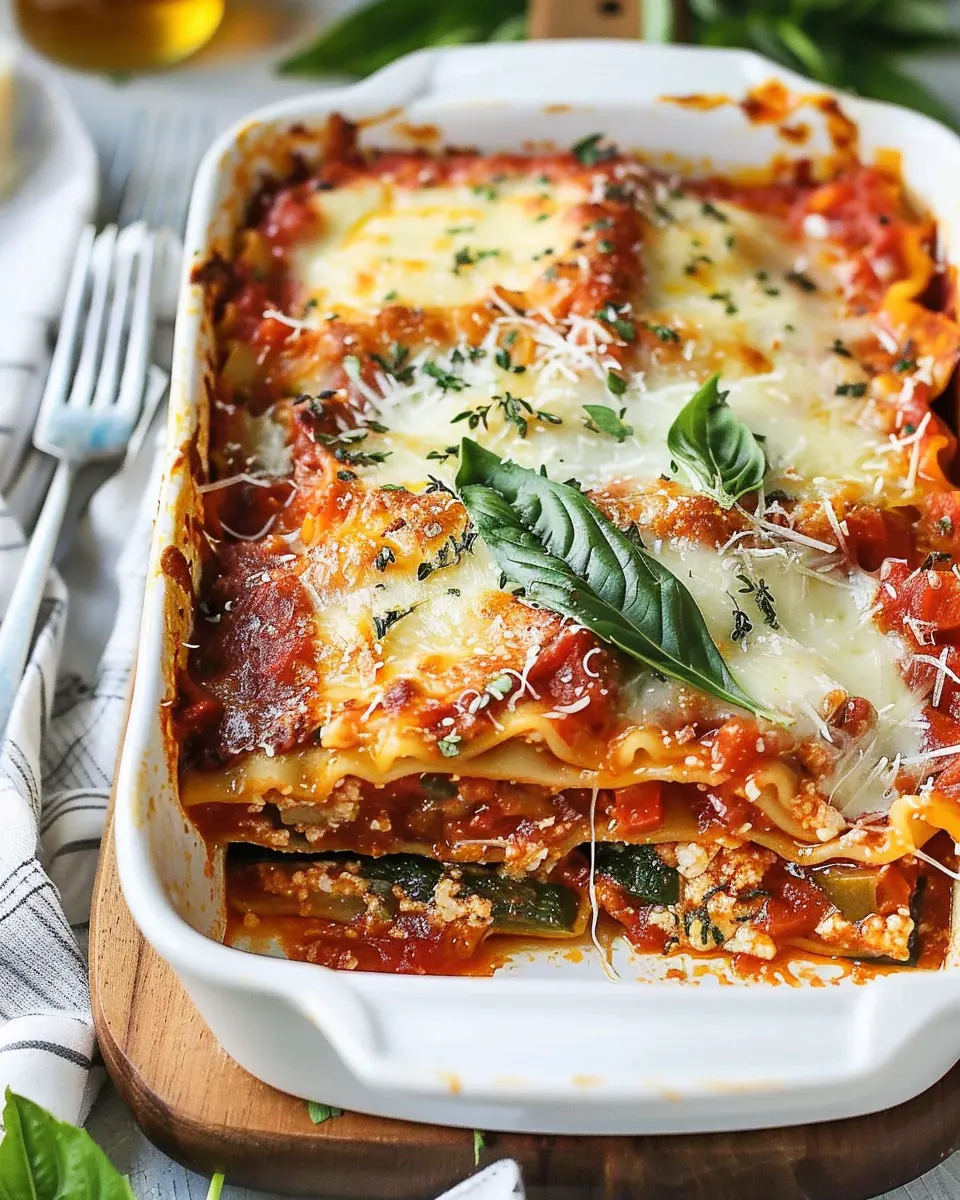
Variations on Vegetable Lasagna
Vegetable lasagna is such a versatile dish that it can easily cater to different dietary preferences while still delivering that comforting, hearty flavor. Here are some delicious variations you might want to try:
Gluten-Free Vegetable Lasagna
For those avoiding gluten, simply substitute traditional lasagna noodles with gluten-free options. There are plenty of brands available that offer noodles made from brown rice or quinoa. You can also get creative by using thin slices of zucchini or eggplant instead of noodles for a fresh twist. This swap not only makes it gluten-free but also adds a wonderful depth of flavor and nutrition. Consider adding homemade marinara sauce for the best taste—here’s a great resource on making delicious pasta sauces.
Vegan Vegetable Lasagna
Craving something plant-based? A vegan vegetable lasagna can be just as rich and filling without any animal products. Replace cheese with cashew-based ricotta, created by blending soaked cashews with nutritional yeast, garlic, and lemon juice. Layer in plenty of sautéed spinach, mushrooms, and bell peppers for that hearty texture. Not sure how to start? Check out this article on plant-based cooking for tips on veganizing your favorite recipes.
Meat-Lover’s Vegetable Lasagna
If you’re looking for a way to satisfy both carnivores and vegetarians at your table, try a meat-lover’s vegetable lasagna. Layer your favorite veggies with ground turkey or beef, mixed with a robust tomato sauce. This twist can create a perfect harmony of flavors while still maintaining the essence of a vegetable lasagna. Consider adding a sprinkle of Turkey Bacon or Chicken Ham for an extra smoky flavor that ties everything together.
With these variations, vegetable lasagna can truly become a canvas for your culinary creativity. What will you try next?
Cooking Tips and Notes for Vegetable Lasagna
When preparing a delicious vegetable lasagna, a few handy tips can make all the difference between a perfect dish and one that’s less than stellar.
How to Avoid a Soggy Lasagna
One of the biggest culprits behind a soggy lasagna is excess moisture. To combat this, consider these steps:
- Pre-cook your vegetables: Sautéing them helps release some water before layering.
- Use no-boil noodles: They absorb moisture during cooking, creating a better texture.
- Let it rest: After baking, allow your lasagna to sit for about 15 minutes. This helps the layers set, so it’s easier to serve.
Tips for Making Ricotta Creamy
For an irresistibly creamy ricotta, here are a couple of tried-and-true methods:
- Add an egg: Mixing in an egg not only enhances creaminess but also helps bind everything together.
- Blend it: A quick spin in a food processor will create a smooth, airy texture that will elevate your lasagna.
With these tips, your vegetable lasagna will surely impress friends and family. For more cooking insights, check out sources like Serious Eats or Food Network!
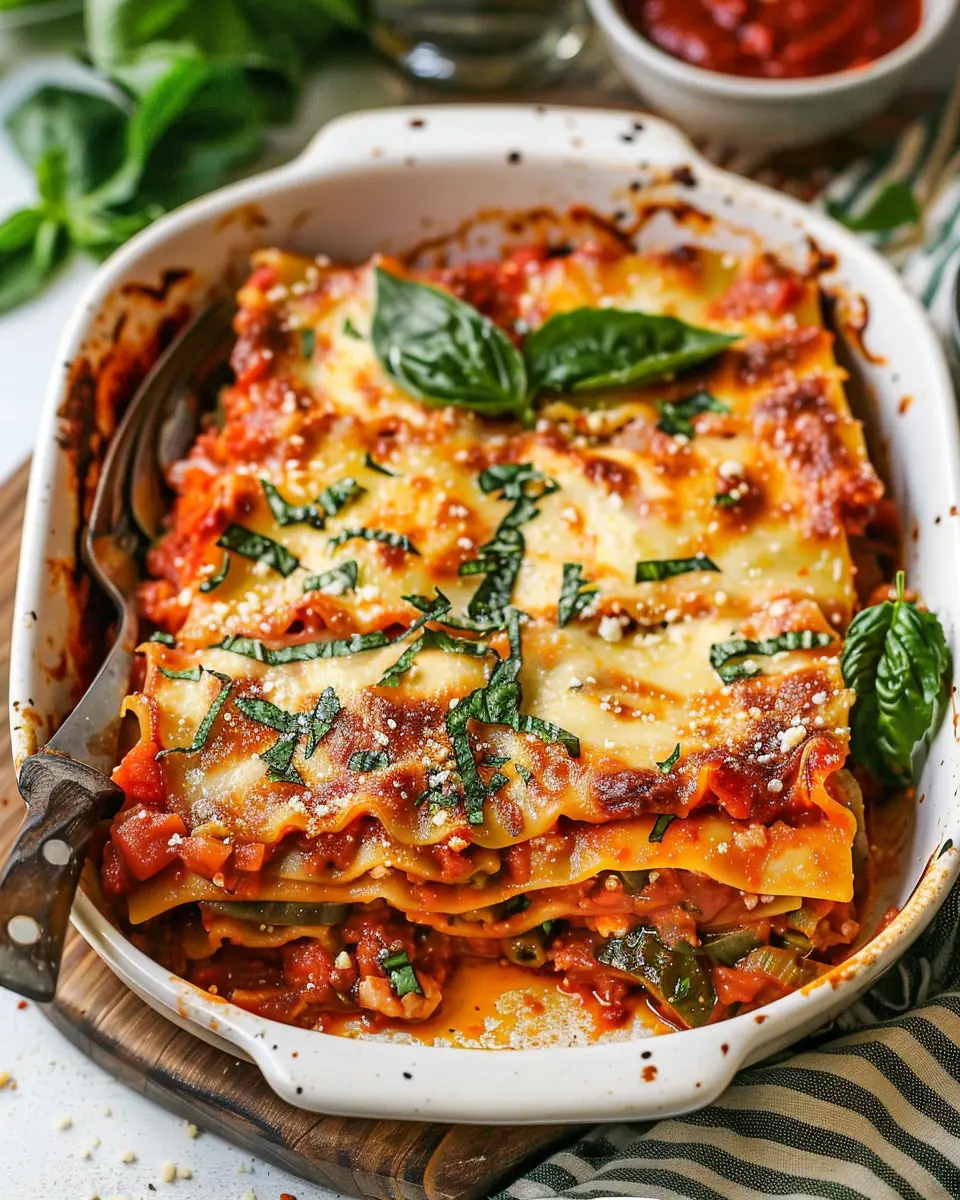
Serving Suggestions for Vegetable Lasagna
Ideal Pairings for a Complete Meal
When serving vegetable lasagna, consider complementing it with a fresh side salad. The crunch of romaine or mixed greens tossed with a light vinaigrette can balance the rich flavors of the lasagna perfectly. You can also add garlic bread for an irresistible touch, creating that cozy, comforting experience we all crave. If you’re seeking a drink option, try sparkling water infused with lemon or a refreshing herbal iced tea—both are delightful choices that won’t overpower the dish.
Presentation Tips for Your Lasagna
Presentation is key when showcasing your vegetable lasagna. To elevate your dish, layer slices neatly on a rustic wooden board or a vibrant platter. Garnish with fresh basil leaves and a sprinkle of grated Parmesan for a pop of color. Don’t forget to serve it with a side of roasted vegetables; not only does this add visual appeal, but it also enhances the overall flavor profile.
Remember, first impressions are everything—making your meal inviting is half the joy of hosting!
Time breakdown for Vegetable Lasagna
Preparation time
Making a delightful vegetable lasagna might sound daunting, but the prep work takes only about 30 minutes. This is your chance to chop up fresh veggies like zucchini, spinach, and bell peppers, layering in flavor before the oven does its magic. Plus, prep time allows you to set the rhythm of your kitchen creation!
Cooking time
Once everything is assembled in your baking dish, the vegetable lasagna will need around 45 minutes in the oven. This period is when the flavors meld beautifully, and the cheese becomes that golden, bubbly perfection we all love.
Total time
Altogether, you’re looking at approximately 1 hour and 15 minutes from start to finish. That’s a small investment for a hearty, delicious meal that can easily serve a group or provide you with leftovers for the week! Think of how rewarding it feels to savor something homemade. For more meal ideas, check out this link on nutritious recipes from the Academy of Nutrition and Dietetics.
Nutritional facts for Vegetable Lasagna
Calories per serving
A hearty serving of vegetable lasagna typically contains around 300-400 calories, making it a satisfying yet light choice for a meal. This range can vary based on the specific ingredients and portion sizes used, allowing for customization without straying too far from healthy.
Key nutrients
This comforting dish packs a nutrient punch, thanks to its vibrant mix of veggies. Expect to find:
- Fiber: Essential for digestion and keeping you full
- Vitamins A and C: Great for skin health and immunity
- Calcium and Iron: Important for bone health and energy levels
Benefits of the ingredients
Incorporating ingredients like spinach, zucchini, and bell peppers offers numerous benefits. Spinach is rich in iron, supporting your energy levels, while zucchini adds hydration due to its high water content. Bell peppers are fantastic sources of vitamin C, which can help boost your immune system. Swapping out traditional meats for Turkey Bacon or Chicken Ham can also reduce the overall fat content while still providing delicious flavor.
So next time you’re thinking about dinner, consider this wholesome option. For more information on the health benefits of vegetables, check out the Harvard T.H. Chan School of Public Health. Eating well can be both delicious and nutritious!
FAQs about Vegetable Lasagna
Can I make vegetable lasagna ahead of time?
Absolutely! Preparing vegetable lasagna in advance can save you time on busy weeknights. Simply assemble the lasagna, cover it tightly with foil, and refrigerate it for up to 24 hours. When you’re ready to bake, make sure to increase the baking time slightly since it will be cold. Alternatively, you can freeze it for up to three months. Just remember to thaw it in the fridge overnight before baking. For tips on freezing pasta dishes, check out this helpful guide.
What kind of vegetables work best?
When it comes to vegetable lasagna, the options are nearly endless! Some of our favorites include:
- Spinach: Fresh or sautéed, it adds a nice texture and nutritional boost.
- Zucchini: Thinly sliced, it brings moisture and a subtle flavor.
- Mushrooms: They provide a meaty texture that complements the dish beautifully.
- Bell Peppers: Colorful and crunchy, they add both flavor and nutrition.
- Carrots: Shredded or finely chopped, they bring a mild sweetness.
Feel free to experiment with your favorites! Just ensure they are cooked properly to avoid excess moisture.
How do I store leftovers properly?
Leftover vegetable lasagna can typically be stored in an airtight container in the refrigerator for up to 3-4 days. To reheat, just pop it in the oven at 350°F (175°C) until heated through, or microwave individual portions for a quick meal. If you have a larger amount, consider freezing portions for later. When storing, cut the lasagna into squares for easier reheating. If you’re interested in more tips on food storage, you might find this article by the USDA helpful.
With these tips in hand, you’re all set to enjoy your vegetable lasagna creation to the fullest!
Conclusion on Vegetable Lasagna
In summary, vegetable lasagna is the perfect homemade dish for busy young professionals seeking a delicious, wholesome meal without the fuss. Not only does it pack in a variety of nutrients from vibrant veggies, but it also offers the flexibility to customize ingredients based on your preference—whether you want to add turkey bacon or chicken ham.
Preparing a large batch means you can enjoy easy leftovers throughout the week, saving time and money. Plus, it freezes well for those last-minute dinner plans. Why not give this satisfying dish a try? It’s a culinary adventure that nourishes the body and soul, making it a stellar addition to your meal prepping repertoire.
For more tips on quick meals, check out the resources at EatWell.com or Healthline.
PrintVegetable Lasagna: The Best Comfort Food for Any Occasion

A hearty and delicious vegetable lasagna that’s perfect for any meal. Packed with layers of vegetables, cheese, and pasta, it’s a comforting dish that everyone will love.
- Prep Time: 20 minutes
- Cook Time: 45 minutes
- Total Time: 1 hour 5 minutes
- Yield: 6 servings 1x
- Category: Main Course
- Method: Baking
- Cuisine: Italian
- Diet: Vegetarian
Ingredients
- 9 sheets lasagna noodles
- 2 cups ricotta cheese
- 3 cups mixed vegetables (spinach, zucchini, bell peppers)
- 2 cups marinara sauce
- 2 cups mozzarella cheese, shredded
- 1 cup parmesan cheese, grated
- 2 cloves garlic, minced
- 1 tablespoon olive oil
- 1 teaspoon dried oregano
- 1 teaspoon salt
- 1/2 teaspoon black pepper
Instructions
- Preheat your oven to 375°F (190°C).
- In a pan, heat olive oil and sauté garlic until fragrant.
- Add mixed vegetables, oregano, salt, and pepper; cook until softened.
- In a baking dish, spread a layer of marinara sauce.
- Layer lasagna noodles, followed by ricotta cheese, sautéed vegetables, and mozzarella cheese.
- Repeat the layering process, finishing with marinara sauce and mozzarella on top.
- Sprinkle parmesan cheese over the top layer.
- Cover with foil and bake for 30 minutes.
- Remove foil and bake for an additional 15 minutes until cheese is bubbly and golden.
- Let it cool for 10 minutes before serving.
Notes
- For extra flavor, consider adding Italian herbs into the layers.
- Feel free to substitute vegetables based on your preference.
Nutrition
- Serving Size: 1 slice
- Calories: 350
- Sugar: 5g
- Sodium: 600mg
- Fat: 15g
- Saturated Fat: 8g
- Unsaturated Fat: 5g
- Trans Fat: 0g
- Carbohydrates: 40g
- Fiber: 3g
- Protein: 18g
- Cholesterol: 45mg
Keywords: Vegetable Lasagna, Comfort Food, Vegetarian Recipes