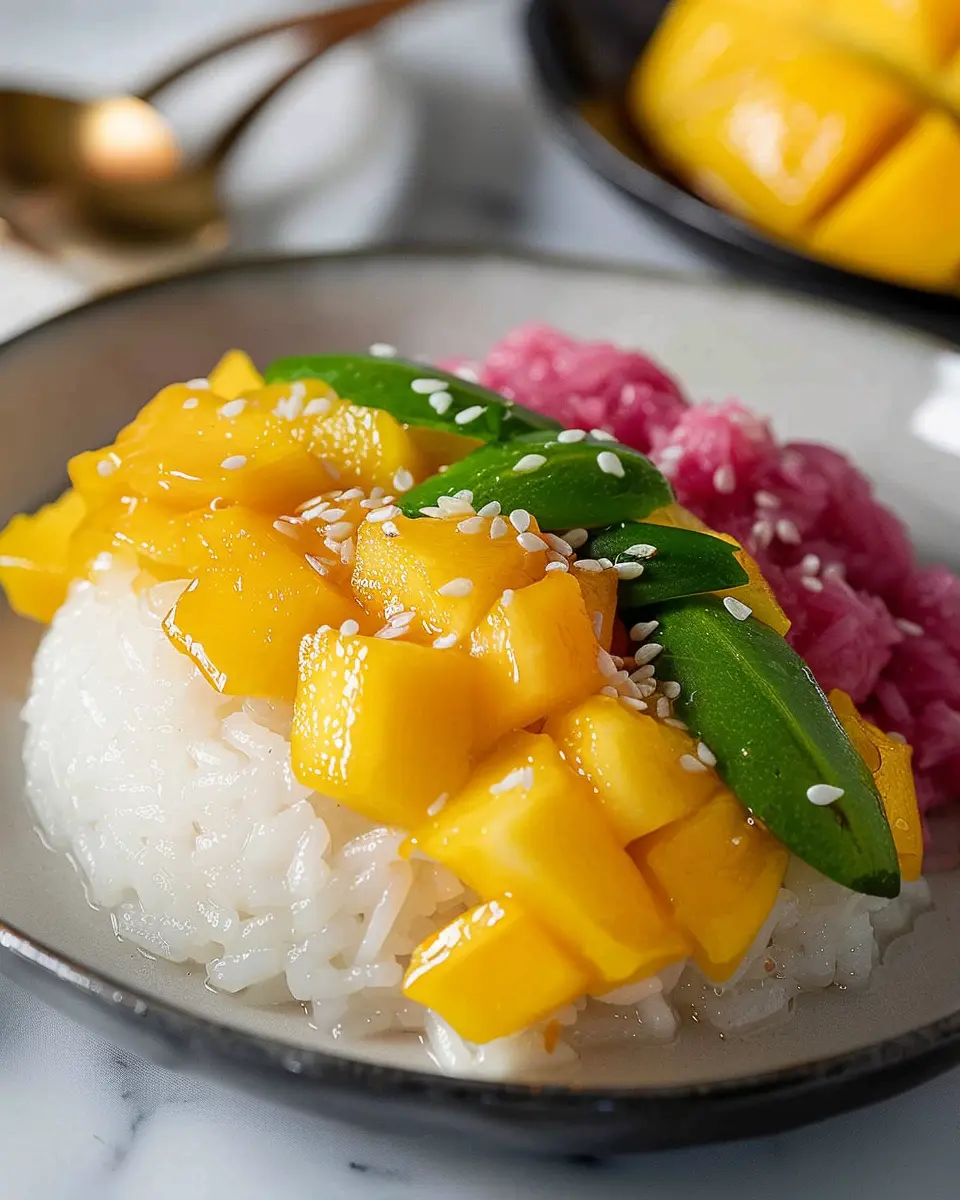
Introduction to Thai Mango Sticky Rice Recipe
As you venture into the world of culinary delights, Thai Mango Sticky Rice stands out as a dessert that’s both exotic and comforting. Why should you, as a busy young professional, consider adding this dish to your repertoire? Well, not only is it incredibly easy to prepare, but it also brings a burst of flavors and textures that can brighten up any hectic day.
Why Thai Mango Sticky Rice is a must-try dessert for young professionals
Imagine wrapping up a long day of meetings and productivity, and all you want is a sweet, satisfying treat to reward yourself. Thai Mango Sticky Rice is perfect for that. Made primarily with three simple ingredients—glutinous rice, fresh mango, and coconut milk—it requires minimal effort and offers maximum satisfaction. Plus, it’s a wonderful way to impress friends at a casual gathering or potluck.
Did you know that mangoes are considered a superfood? Rich in vitamins A and C, they’re great for your skin and immune system. Pairing this with the nutty flavor of sticky rice and the creamy coconut sauce not only creates a harmonious flavor combination but also a visual treat. It’s no wonder this dish has become a staple in Thai street food and is adored globally.
Effortlessness meets flavor
Preparing your very own Thai Mango Sticky Rice Recipe can be done in under an hour! All you need to do is soak the sticky rice, cook it, and make a quick coconut sauce, while slicing your fresh mango. Most importantly, it’s a low-cost dessert option that won’t break the bank—perfect for young professionals juggling finances with indulgence.
Plus, if you’re wondering about the sustainability aspect, using fresh, local mangoes can help you support local farmers and reduce carbon footprints. The World Resources Institute reports that choosing seasonal fruits has a positive environmental impact, so your delicious dessert can also be eco-friendly.
So, are you ready to whip up this mouthwatering dish? Let’s dive into the Thai Mango Sticky Rice recipe that will elevate your dessert game!
Ingredients for Thai Mango Sticky Rice
Creating a delicious Thai Mango Sticky Rice Recipe at home is easier than you might think! Let’s break down the essential ingredients that will bring this delightful dessert to life.
Essential ingredients for coconut sticky rice
To make the coconut sticky rice, you’ll need:
- Glutinous rice: This is the star of the show. Look for high-quality sticky rice, ideally from Thailand. You’ll need about 1 cup.
- Coconut milk: Use about 1 cup for a creamy texture and rich flavor. Avoid low-fat varieties for the best results.
- Sugar: About 1/4 cup of granulated sugar enhances sweetness.
- Salt: Just a pinch helps to balance out the flavors.
Ingredients for salted coconut sauce
This sauce is the perfect complement to your mango sticky rice:
- Coconut milk: Use about 1/2 cup, just like before.
- Sugar: A couple of tablespoons for that enjoyable sweetness.
- Salt: Again, a dash of salt to enhance the flavor profile.
Fresh mangoes and mung beans for garnish
Don’t forget the toppings! Grab:
- Ripe mangoes: Aim for 2-3 medium-sized, sweet, and juicy mangoes for that fresh burst of flavor.
- Mung beans or toasted sesame seeds: These add a lovely crunch and visual appeal.
Explore more about sticky rice and its cultural significance in Thai cuisine through resources like Serious Eats to enhance your culinary journey! Happy cooking!
Step-by-Step Preparation of Thai Mango Sticky Rice
Creating a delightful Thai Mango Sticky Rice Recipe is not only rewarding but also a culinary experience that celebrates the beautiful flavors of Thai cuisine. With a few simple steps, you can impress your friends and family with this irresistible dessert.
Prepare the sticky rice
The star of this dish is undoubtedly the sticky rice, which forms the base of our dessert. To begin, you’ll need to gather the following ingredients:
- 1 cup of glutinous rice (also known as sticky rice)
- Water (for soaking and steaming)
Using glutinous rice gives the dish its characteristic chewy texture. You can find this specific rice at most Asian grocery stores or online. Make sure to measure out the rice accurately for the perfect consistency.
Soak the rice for perfect texture
Once you have your rice ready, the next step is essential for achieving a melt-in-your-mouth texture. Soak the glutinous rice in water for at least 4 hours, or overnight if possible. This soaking process plumps the rice and helps it cook evenly.
While waiting for the rice to soak, why not explore other delicious Thai desserts? Check out this guide to popular Thai sweets for inspiration!
Steam the rice to fluffy perfection
After soaking, it’s time to steam the rice. First, drain the soaked rice and place it in a steamer lined with cheesecloth or a thin cloth. Make sure not to overcrowd it; you want the steam to circulate well. Steam the rice for about 30-40 minutes until it’s fully cooked and glossy. The rice should exhibit a shiny appearance and a slightly sticky feel as you touch it.
This steaming process is key to ensuring that your rice achieves that lush, fluffy texture. If you want to be more scientific about it, consider using a food thermometer; the rice should reach an internal temperature of about 200°F for perfect results.
Make the coconut syrup for sweetness
The next step in our Thai Mango Sticky Rice Recipe involves crafting a sweet coconut syrup that complements the rice beautifully. Combine the following ingredients in a saucepan:
- 1 cup of coconut milk
- 1/2 cup of sugar
- A pinch of salt
Gently heat the mixture, stirring until the sugar dissolves. Be cautious not to boil it; we want a rich syrup, not a curdled coconut milk! The sweet aroma will fill your kitchen, making it hard to resist sneaking a taste.
Prepare the salted coconut sauce
For an added twist, you’ll want to prepare a salted coconut sauce that balances the sweetness of the dish. In a separate small saucepan, whisk together:
- 1/2 cup of coconut milk
- 1/2 teaspoon of salt
- 1 tablespoon of cornstarch (optional, for thickness)
Heat this mixture over low heat until it thickens slightly, then remove it from the heat. This sauce will enhance the overall flavor profile and provide a delightful contrast to the sweetness of your dish.
Toast the mung beans for crunch
To finish off this dish, let’s add some texture with toasted mung beans. Simply place them in a dry skillet over medium heat, stirring frequently to avoid burning. In about 5 minutes, they should be golden and fragrant—perfect for sprinkling on top of your dessert.
Assemble the dish beautifully
Now comes the fun part: assembling your Thai Mango Sticky Rice! Start by placing a generous scoop of sticky rice on a plate, then drizzle the sweet coconut syrup over it. Arrange sliced ripe mango on the side and top with a sprinkle of toasted mung beans and a drizzle of the salted coconut sauce.
Make sure to take a step back and admire your creation! Not only does it taste fantastic, but it also presents beautifully, making it a stunning addition to any meal.
By following these steps, you’ll have a flawless Thai Mango Sticky Rice ready to enjoy. Share your creation with friends and embark on a delightful journey through the flavors of Thailand! If you have any questions or variations to share, leave a comment below. Happy cooking!
Variations on Thai Mango Sticky Rice
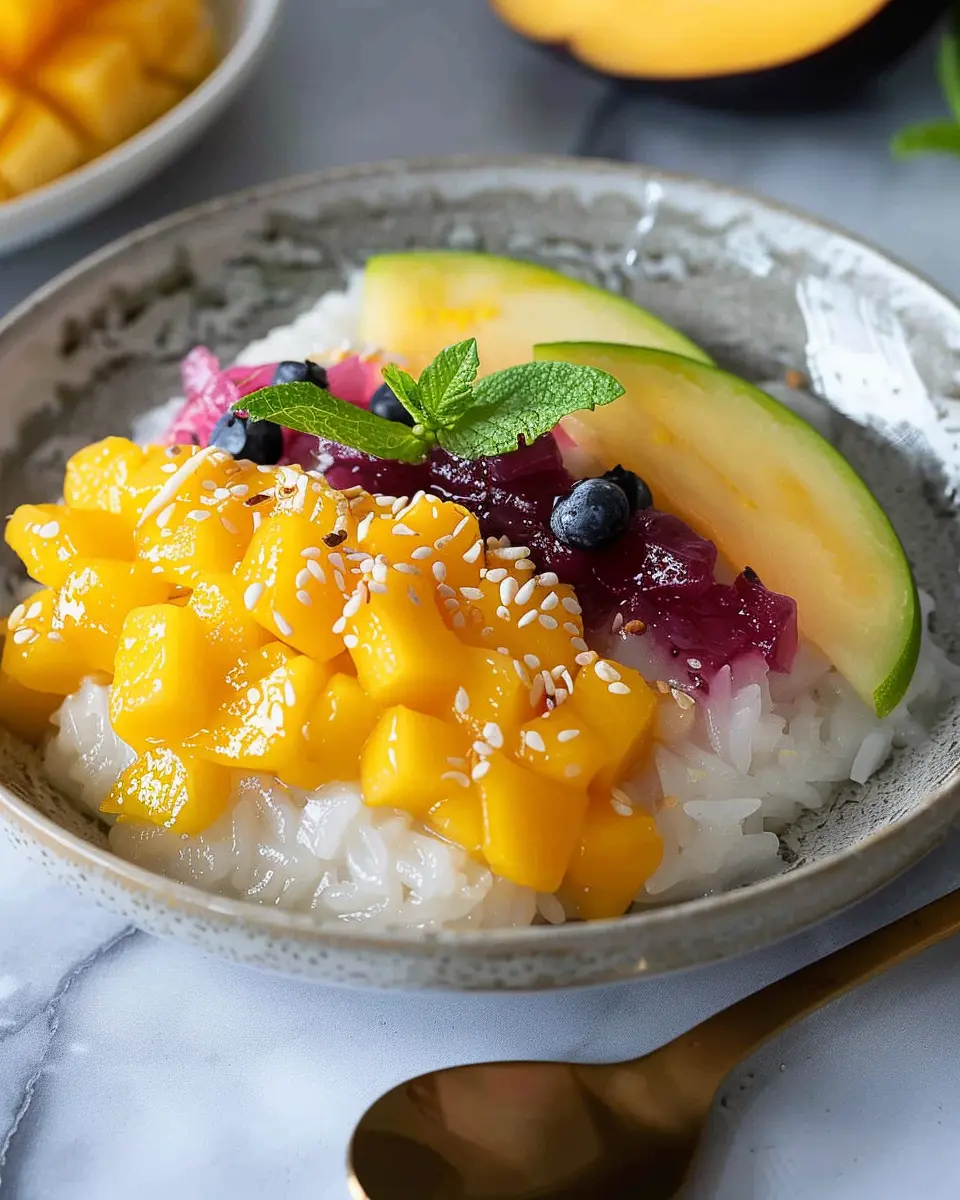
Tropical twist: Adding other fruits
While the classic Thai Mango Sticky Rice recipe is a delight on its own, adding other fruits can elevate your dessert to new heights. Think about incorporating fresh tropical fruits like:
- Pineapple: Slightly tart, perfect for balancing the sweetness of sticky rice.
- Dragon Fruit: Its vibrant color and subtle sweetness provide a stunning visual and taste contrast.
- Passion Fruit: A tangy burst that adds complexity to the dish.
You could even create a fruit salad topping, combining several fruits to appeal to diverse palates. This not only enhances aesthetics but also adds a refreshing twist to every bite. If you’re curious about more fruit pairings, check out this guide on tropical fruits.
Vegan options: Using different sweeteners
For those seeking plant-based options, you might wonder how to adapt the Thai Mango Sticky Rice recipe to suit a vegan lifestyle. One of the simplest adjustments is swapping out regular sugar for natural alternatives such as:
- Coconut sugar: Offers a rich caramel flavor that complements the dish beautifully.
- Maple syrup: Adds depth and a hint of earthiness while keeping everything vegan-friendly.
- Agave nectar: A great low-glycemic option that is sweeter than sugar, requiring less quantity.
Additionally, using full-fat coconut milk enhances the creaminess and overall flavor profile, making it feel indulgent and satisfying. Always remember, experimenting in the kitchen is part of the fun! Your creative variations could inspire someone else, or even lead to your next favorite dessert.
Cooking Tips and Notes for Thai Mango Sticky Rice
Tips for selecting the best mangoes
Choosing the right mango is crucial for your Thai Mango Sticky Rice Recipe. Look for mangoes that are slightly soft to the touch and have a vibrant color—Haden or Tommy Atkins varieties are excellent options. When selecting, don’t hesitate to engage in a little taste testing! Ripe mangoes should have a sweet aroma near the stem, indicating they’re packed with flavor. For a deeper dive into mango selection, check out this mango guide.
Ensuring the perfect sticky rice consistency
Achieving the perfect sticky rice is all about soaking and steaming—but don’t worry, it’s simpler than it sounds! Soak the glutinous rice for at least 4 hours, preferably overnight. This ensures it absorbs enough moisture to cook evenly. When steaming, wrap the rice in cheesecloth or a fine sieve to avoid sogginess. The aim is a chewy yet tender base that holds its shape when served alongside luscious mango slices. For more about cooking sticky rice, take a look at this sticky rice preparation guide.
Serving Suggestions for Thai Mango Sticky Rice
Perfect Pairings and Side Dishes
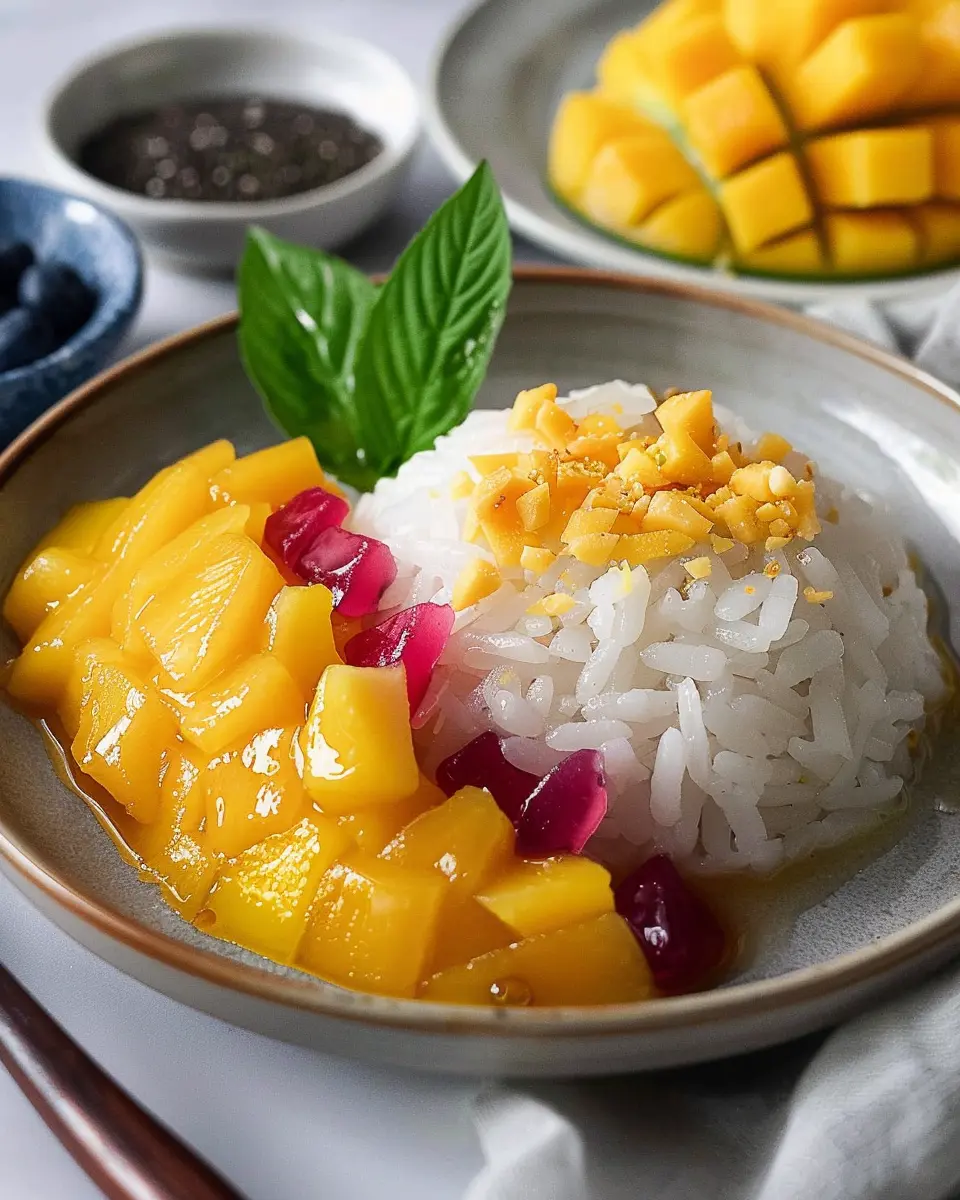
When enjoying Thai Mango Sticky Rice, consider pairing it with some fresh fruits like ripe dragon fruit or juicy pineapple slices for a burst of tropical flavor. For a more savory touch, serve it alongside crispy spring rolls or dumplings filled with chicken ham for a delightful contrast to the sweetness of the dessert. An herb-infused tea, like lemongrass or mint tea, complements the dish beautifully, enhancing the refreshing experience.
Elegant Presentation Ideas
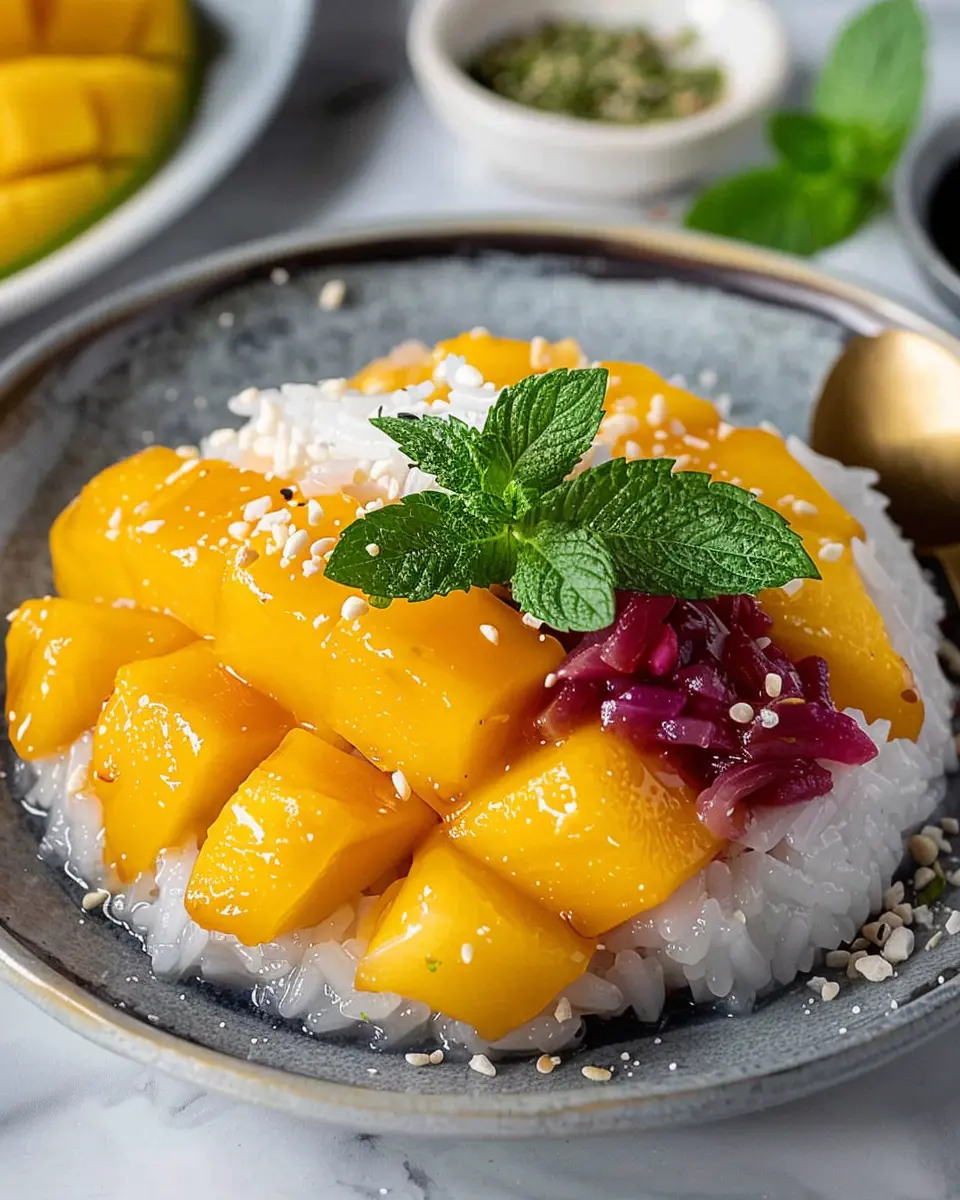
For special occasions, it’s all about the presentation. Serve your Thai Mango Sticky Rice in stylish bowls or on banana leaves for an authentic flair. Garnish with toasted sesame seeds or a drizzle of coconut cream to elevate its visual appeal. You can even arrange the mango slices in a fan shape for that extra touch of elegance. Remember, the first impression counts, especially for desserts!
Explore more about Southeast Asian cuisine here for inspiration on how to enhance your meals.
Time Breakdown for Thai Mango Sticky Rice
Preparation Time
The prep time for this delightful Thai Mango Sticky Rice recipe is about 20 minutes. Start by gathering all your ingredients, like glutinous rice, coconut milk, and, of course, ripe mangoes. It’s the perfect opportunity to enjoy the vibrant colors and aromas of your ingredients, fueling your excitement for what’s to come.
Cooking Time
Now, let’s dive into the cooking phase! This typically takes 30-40 minutes. While the rice steams and the coconut milk simmers, your kitchen will start smelling heavenly. Don’t forget to keep an eye on things—you want everything to meld together beautifully.
Total Time
In total, you’re looking at about 1 hour from start to finish. Considering the rich flavors and delightful textures of your Thai Mango Sticky Rice, it’s worth every minute spent in the kitchen! To learn more about this delicious dish, check out Thai food culture for some fascinating insights.
Nutritional Facts for Thai Mango Sticky Rice
When indulging in this delightful Thai mango sticky rice, it’s good to know what you’re savoring. A typical serving packs around 260 calories, making it a relatively light dessert option.
Breakdown of Key Nutrients
Here’s a closer look at some essential nutrients in this Thai Mango Sticky Rice Recipe:
- Carbohydrates: About 56g, primarily from the sweet sticky rice and mango, providing a quick energy boost.
- Fats: Approximately 3.5g, mainly from coconut milk, which adds a delicious creaminess.
- Protein: Roughly 4g, helping to keep your meal balanced.
- Vitamins and Minerals: Rich in vitamin A and C from the mangoes, which support eye health and boost immunity (source: USDA).
For a deeper understanding of the nutritional benefits of mangoes, feel free to explore this nutrition article. Enjoy your sweet treat guilt-free!
FAQs about Thai Mango Sticky Rice
How can I store leftover Thai Mango Sticky Rice?
Storing leftover Thai Mango Sticky Rice is straightforward. Place any unused portions in an airtight container in the refrigerator. It should stay fresh for about 2-3 days. When you’re ready to enjoy it again, I recommend warming it slightly in the microwave, adding a splash of coconut milk to maintain that creamy texture.
Can I make Thai Mango Sticky Rice in advance?
Absolutely! One of the best things about this delightful dessert is that it can be prepared ahead of time. You can make the sticky rice a day in advance and store it in your refrigerator. Just remember to reheat it gently before serving for the best flavor. You can also slice the mango ahead of time; just sprinkle a bit of lemon juice to keep it from browning.
What are common mistakes to avoid when making Thai Mango Sticky Rice?
When trying out this Thai Mango Sticky Rice Recipe, there are a few pitfalls to watch out for:
- Incorrect rice type: Always use glutinous rice (also called sticky rice) because regular rice won’t give you that signature texture.
- Rinsing too much: While it’s important to rinse the rice to remove excess starch, overdoing it can result in less sticky rice.
- Letting it cool too long: This dessert is best served warm, right after preparation, so don’t let it sit out for too long.
By keeping these tips in mind, you’ll create a dish that impresses every time! For more sticky rice recipes, consider checking out sources like Serious Eats for detailed guides on rice cooking techniques. Happy cooking!
Conclusion on Thai Mango Sticky Rice Recipe
In summary, this Thai Mango Sticky Rice Recipe is a delightful creation that combines creamy coconut rice with the sweetness of ripe mangoes, delivering an irresistible dessert that’s perfect for any occasion. Its vibrant flavors and beautiful presentation make it a standout dish at dinner parties or cozy nights in.
I encourage you to try making this dish at home—it’s simpler than you might think! Plus, indulge your senses and impress your friends with a culinary journey to Thailand. For more inspiration, check out Thai food history and other delectable recipes that will transport you to the heart of Thai cuisine. Your taste buds will thank you!
PrintThai Mango Sticky Rice Recipe: A Delightful and Easy Treat for All
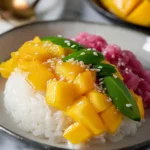
Discover the delightful flavors of Thai Mango Sticky Rice with this easy-to-follow recipe.
- Prep Time: 15 minutes
- Cook Time: 30 minutes
- Total Time: 2 hours 45 minutes
- Yield: 4 servings 1x
- Category: Dessert
- Method: Steaming
- Cuisine: Thai
- Diet: Vegetarian
Ingredients
- 1 cup glutinous rice
- 1 1/2 cups coconut milk
- 1/2 cup sugar
- 1/4 teaspoon salt
- 2 ripe mangoes
- 1 tablespoon sesame seeds (optional)
Instructions
- Rinse the glutinous rice under cold water until the water runs clear.
- Soak the rice in water for at least 2 hours, or overnight.
- Drain and steam the rice for about 30 minutes until tender.
- In a saucepan, heat the coconut milk, sugar, and salt until dissolved.
- Once the rice is cooked, combine it with the coconut mixture and let it sit for 30 minutes.
- Peel and slice the mangoes.
- Serve sticky rice topped with mango slices and a sprinkle of sesame seeds if desired.
Notes
- For a creamier texture, reserve some coconut milk for drizzling over the top before serving.
Nutrition
- Serving Size: 1 serving
- Calories: 350
- Sugar: 10g
- Sodium: 15mg
- Fat: 15g
- Saturated Fat: 14g
- Unsaturated Fat: 1g
- Trans Fat: 0g
- Carbohydrates: 55g
- Fiber: 2g
- Protein: 4g
- Cholesterol: 0mg
Keywords: Thai, Mango, Sticky Rice, Dessert, Easy Recipe