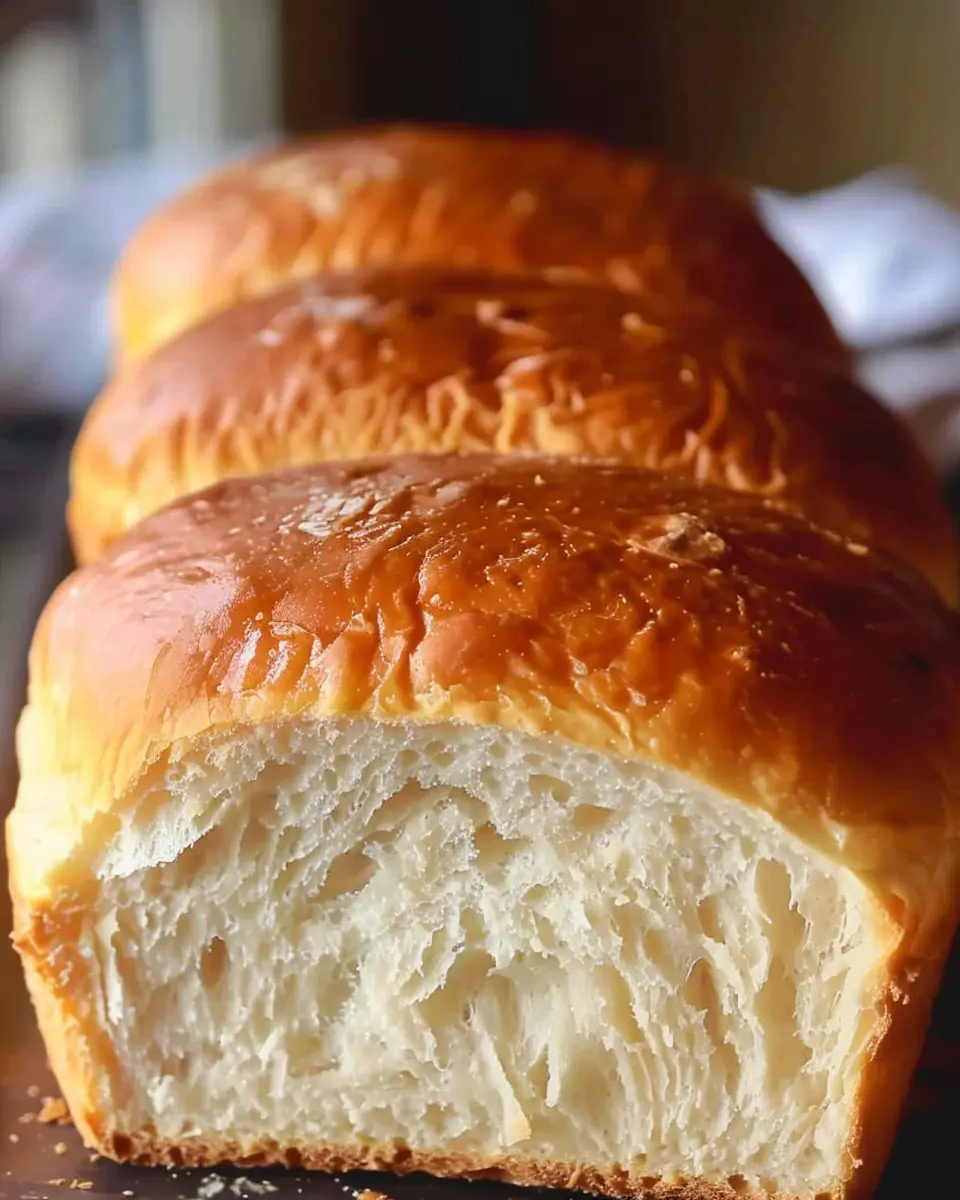
Introduction to No-Fail Amish White Bread
Why Bake Your Own Bread?
Have you ever wandered through the aisles of your local grocery store, staring at the bread options, but feeling unenthused by what’s available? Baking your own bread, especially no-fail Amish white bread, offers a wholesome alternative that’s both enjoyable and fulfilling. Not only does freshly baked bread fill your kitchen with a delightful aroma, but it also provides a sense of accomplishment and healthier ingredients.
The benefits are numerous:
- Control Over Ingredients: Avoid preservatives and additives often found in store-bought options.
- Cost-Effective: Baking bread at home can save you money over time, especially when compared to buying artisanal loaves.
- Customization: Add your favorite herbs, spices, or even seeds for a personal touch.
A Brief History of Amish Bread
Amish communities are renowned for their traditional, wholesome practices, including baking. This style of white bread, often referred to as Amish bread, carries roots that date back to the early settlers who arrived in the United States. The Amish prized simplicity and self-sufficiency, leading them to perfect their bread recipes to withstand the test of time.
Fun fact: Amish bread recipes traditionally circulate among families and neighbors, creating a sense of community. The process isn’t just about making food; it’s about sharing, bonding, and crafting something together. You’ll often hear stories of how bread-making has brought generations closer, nurturing not just bodies but relationships as well.
If you’re interested in diving deeper into the history of Amish baking, check out resources from organizations like the Amish Heritage Foundation, which celebrate their rich culinary traditions.
This introduction to no-fail Amish white bread proves that embarking on your baking adventure can yield delicious results with minimal fuss. Whether you’re a seasoned bread maker or a beginner, this recipe is tailored for success, inviting you to create, enjoy, and share the love that comes from home-baked bread. So, are you ready to get started?
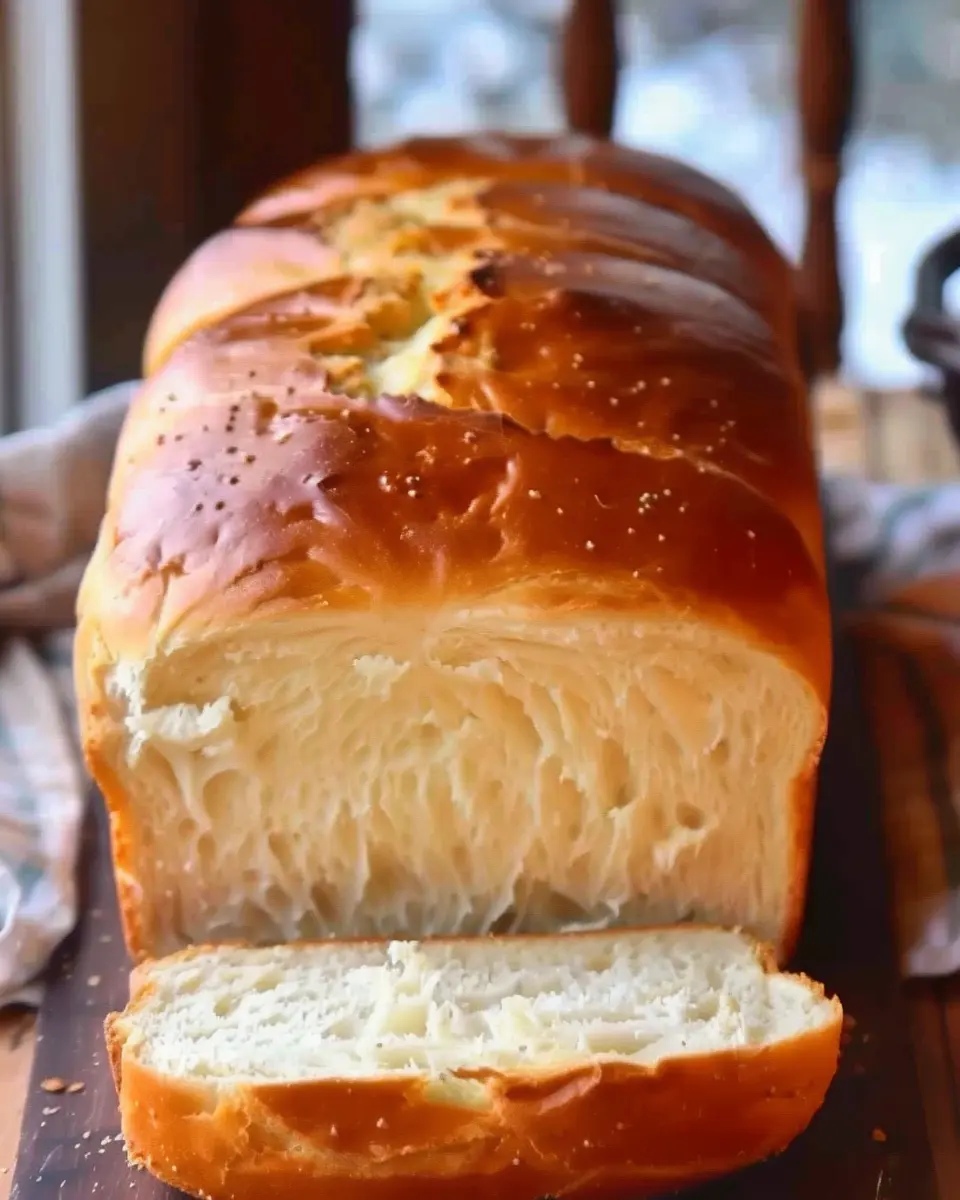
Ingredients for No-Fail Amish White Bread
When it comes to baking no-fail Amish white bread, the right ingredients can make all the difference. Here’s a breakdown of what you’ll need to achieve a soft, fluffy loaf that’s perfect for sandwiches or as a side for soups.
Essential Ingredients
- All-Purpose Flour: About 4 to 5 cups will do the trick. This forms the base of your bread and gives it that delightful structure.
- Warm Water: Use about 2 cups. It should feel like a warm bath for your yeast to thrive.
- Sugar: Just a sprinkle of 1/2 cup to feed the yeast and enhance flavor.
- Active Dry Yeast: A packet, or about 2 1/4 teaspoons, will kickstart the rising process.
- Salt: 1 tablespoon adds essential flavor.
- Butter: 1/4 cup, melted, will keep your bread moist.
Optional Ingredients for Extra Flavor
To take your no-fail Amish white bread up a notch, consider adding:
- Honey or Brown Sugar: Swap this for regular sugar to deepen the sweetness.
- Milk: Substitute part of the water with milk for a richer taste.
- Herbs or Spices: Rosemary or garlic powder can lend a unique twist that complements your meals.
For more tips on baking, check out this helpful guide from King Arthur Baking. Enjoy the process, and feel free to experiment with these variations to suit your taste!
Step-by-Step Preparation of No-Fail Amish White Bread
Baking bread at home can feel intimidating, but with this no-fail Amish white bread recipe, you can create a bakery-worthy loaf right in your own kitchen. Follow these straightforward steps, and you’ll be amazed at how easy it is to enjoy warm, homemade bread. So let’s dive into the preparation!
Activate the Yeast
To kick things off, we need to get that yeast buzzing. Start by gathering:
- 2 ¼ teaspoons of active dry yeast
- 1 tablespoon of sugar
- 1 cup of warm water (around 110°F or 45°C)
In a bowl, combine the warm water, sugar, and yeast. Allow it to sit for about 5 to 10 minutes until it becomes frothy. This step is crucial as it activates the yeast, ensuring a perfect rise in your dough. If your yeast doesn’t foam, it’s time to try again with fresh yeast!
For more information on yeast and its role in baking, check out this expert guide from King Arthur Baking.
Mix the Wet Ingredients
Next up, let’s mix our wet ingredients. In a large mixing bowl, combine:
- The frothy yeast mixture
- 1 tablespoon of salt
- 2 tablespoons of vegetable oil (or melted butter for a richer taste)
Once combined, give it a good stir. Salt is important for flavor and helps control yeast activity as well, so don’t skip it!
Combine and Knead the Dough
Now, it’s time to mix everything together. Gradually add 4 cups of all-purpose flour (plus a bit more if needed) to your wet mixture. Stir until a soft dough starts to form.
When the dough begins to pull away from the sides of the bowl, turn it out onto a lightly floured surface. Here is where the fun begins: knead the dough!
- Knead for about 8-10 minutes, until it’s smooth and elastic.
- If the dough is too sticky, sprinkle in a bit more flour as you go.
This step is essential, as kneading develops the gluten, giving your no-fail Amish white bread its lovely structure.
First Rise
Once kneaded, place the dough into a greased bowl, cover it with a clean kitchen towel, and let it rise in a warm, draft-free area. Ideally, let it rise for about 1-2 hours or until it has doubled in size.
A handy trick: placing your dough in a slightly warm (turned off) oven can create the perfect environment for rising.
Punch Down and Shape
After the first rise, it’s time to “punch down” the dough gently. This simply means deflating it to release excess air. Now, turn it out onto your floured surface again and shape it into a loaf.
You can also choose to divide it into two smaller loaves if you prefer. Simply place your shaped dough into greased loaf pans.
Second Rise and Bake
Cover the loaves again and let them rise for about 30-45 minutes, or until nearly doubled.
Finally, preheat your oven to 350°F (180°C). When your dough is ready, pop it into the oven and bake for 30-35 minutes. You’ll know it’s done when the bread sounds hollow when tapped on the bottom.
Once baked, remove it from the oven and let it cool on a wire rack. And just like that, you have a delicious loaf of no-fail Amish white bread!
Enjoy your creation with some Turkey Bacon or Chicken Ham for an unforgettable sandwich experience, or simply slice it and slather with butter. Happy baking!
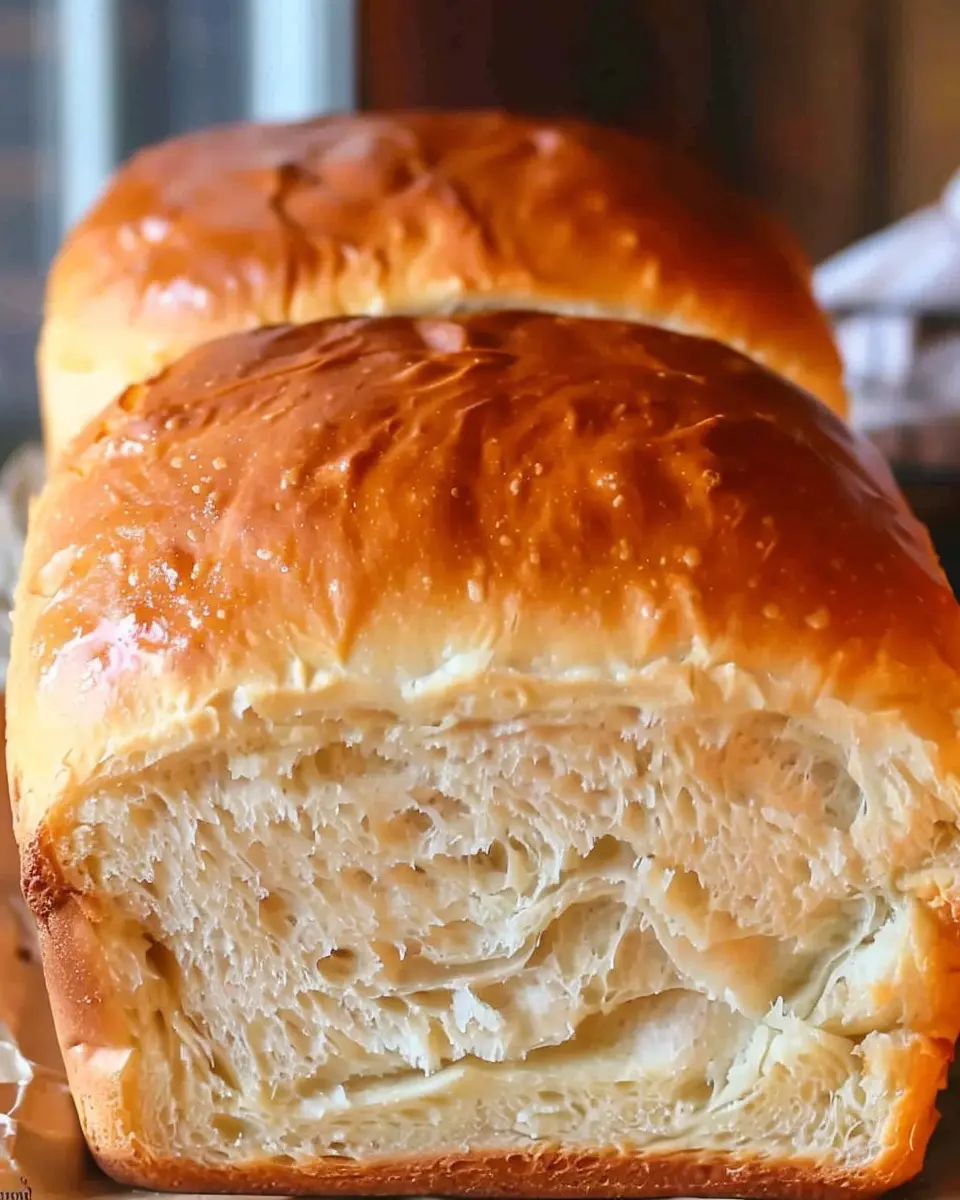
Variations on No-Fail Amish White Bread
If you’ve mastered the no-fail Amish white bread recipe, you might be craving a little variation. Fortunately, this classic bread is versatile, making it easy to customize. Let’s explore three delightful ways to put your own twist on this beloved recipe!
Whole Wheat Version
For a healthier take, consider swapping out half of the all-purpose flour for whole wheat flour. This not only adds a nutty flavor but also increases the fiber content, making your bread more filling. Just keep in mind that whole wheat flour requires a little more moisture, so consider adding an extra tablespoon or two of water to the dough. This mild change can elevate your bread while keeping it soft and fluffy.
Herb-Infused Bread
Looking to add a burst of flavor? Try incorporating your favorite herbs into the no-fail Amish white bread dough. Fresh rosemary, thyme, or even basil can create an aromatic loaf that’s perfect for dipping in olive oil or serving alongside soups. Just mix 1-2 tablespoons of finely chopped herbs into the dough. You’ll be amazed at how this simple addition transforms your bread!
Sweet Bread Variation
For those with a sweet tooth, transform your loaf into a delightful treat by adding sugar and cinnamon. Mix in 1/4 cup of sugar and 1-2 teaspoons of cinnamon to the dry ingredients. For an extra touch, toss in chocolate chips or dried fruit, like cranberries or raisins. This variation makes for a perfect breakfast or snack option and pairs wonderfully with a cup of coffee or tea.
With these variations, the no-fail Amish white bread recipe can become a staple for any occasion. Whether you feel like indulging in some sweetness or enjoying a healthful slice, your kitchen is about to smell amazing! Happy baking!
Cooking Tips and Notes for No-Fail Amish White Bread
Common Mistakes to Avoid
Baking no-fail Amish white bread should be a joyful experience, but there are a few common pitfalls. One of the most frequent mistakes is using cold ingredients. If your water or milk isn’t warm enough (around 110°F), it can inhibit yeast activation. Additionally, make sure to measure your flour correctly—too much can lead to a dense loaf. Remember to let the dough rise in a warm, draft-free space. If your kitchen is chilly, your bread may not rise as expected.
Tips for Perfect Texture
Achieving that soft, fluffy texture is what makes this bread special. Here are some useful tips:
- Knead thoroughly: Knead for at least 8-10 minutes to develop gluten, which gives your bread structure.
- Use all-purpose flour: It’s ideal for a tender loaf. If you prefer whole grain, make sure to adjust the liquid.
- Try adding some protein: If you’re adventurous, consider mixing in a bit of gluten for added elasticity.
With these tips in hand, you’ll be well on your way to creating the perfect no-fail Amish white bread! For more expert advice on bread baking, check out resources from King Arthur Baking or Food52.
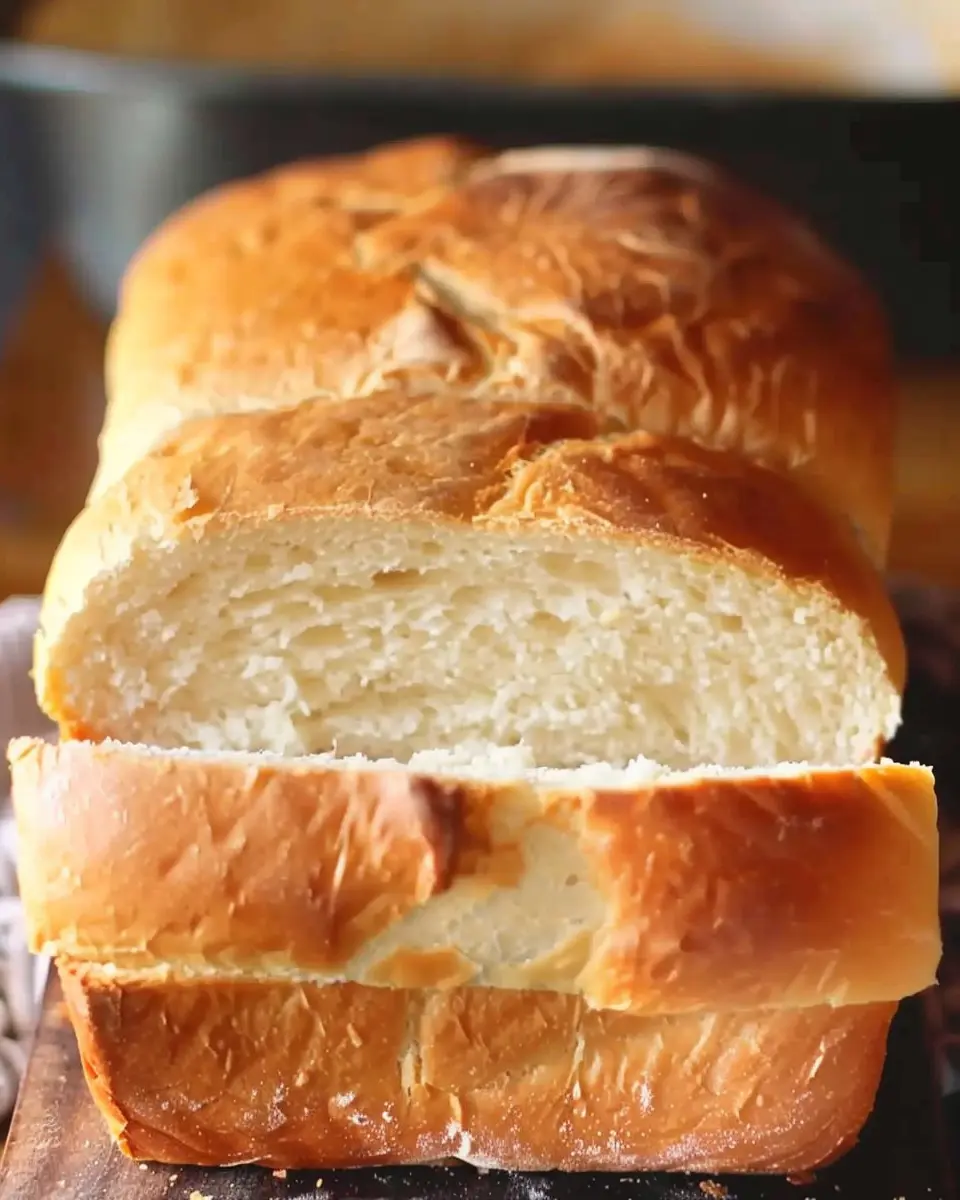
Serving Suggestions for No-Fail Amish White Bread
When you pull a loaf of no-fail Amish white bread from the oven, the aroma is hard to resist! Pairing it thoughtfully can elevate your meals from ordinary to extraordinary. Here are some delicious serving suggestions to enjoy your freshly baked loaves.
Pairing with Spreads
Your no-fail Amish white bread serves as a versatile canvas for a variety of spreads. Consider classic options like:
- Butter: A simple, yet satisfying choice. Try using flavored butters, such as honey or garlic, for an extra kick.
- Jam or Jelly: Fruit preserves add a delightful sweetness. Strawberry and raspberry are popular picks.
- Nut Butter: For a protein boost, spread almond or peanut butter topped with sliced bananas or honey.
Using as Sandwich Bread
The tender, fluffy texture of no-fail Amish white bread makes it ideal for sandwiches. Here are a few filling ideas:
- Turkey Bacon and Avocado: Layer crispy turkey bacon with creamy avocado for a tasty twist.
- Chicken Ham and Cheese: A classic combo that never goes out of style.
- Veggie Delight: Load it up with fresh vegetables, hummus, and sprouts for a hearty vegetarian option.
For even more sandwich inspiration, check out Food Network’s ideas on creative sandwich concoctions. Whether toasted or fresh, your no-fail Amish white bread can redefine meal time!
Time Breakdown for No-Fail Amish White Bread
When you’re planning to make no-fail Amish white bread, understanding the time breakdown can help streamline your baking experience. It’s all about timing, and I’m here to break it down for you!
Preparation Time
The preparation time for this recipe is roughly 15 minutes. This includes gathering your ingredients—like flour, yeast, and that warm water—mixing everything together, and kneading the dough just enough to build that perfect texture.
Rising Time
Next up is the rising time, which takes about 1 to 1.5 hours. This step is crucial, allowing the yeast to work its magic. You want the dough to double in size, so a warm spot in your kitchen is ideal! A little patience goes a long way here.
Baking Time
Finally, the baking time lasts around 30 to 35 minutes. Preheat your oven while the dough rises, and you’ll be ready to go. The result? A golden-brown loaf that’s hard to resist.
If you’re curious about the art and science of bread-making, check out this informative guide on bread baking to elevate your skills even further!
Nutritional Facts for No-Fail Amish White Bread
When it comes to homemade bread, no-fail Amish white bread not only delivers on taste but also on nutrition. Here’s a quick look at what you’re getting in each slice:
Calories
One slice of this delightful bread has around 80–100 calories, making it a satisfying option without excessive guilt. It’s perfect for those busy weekdays when you want something quick yet wholesome.
Carbohydrates
With approximately 15-20 grams of carbohydrates per slice, this bread provides a great source of energy. Ideal for sandwich lovers or those enjoying a slice with soup for lunch, it can fit nicely into a balanced diet.
Protein
Each slice also packs in about 2-4 grams of protein. While it’s not a primary protein source, it contributes to your daily intake, especially when paired with protein-rich toppings like turkey bacon or chicken ham.
For more insights on bread nutrition, the USDA’s FoodData Central provides extensive data that might pique your interest. Remember, homemade bread allows you to control ingredients, making it a healthier, more personalized choice for your meals.
FAQs about No-Fail Amish White Bread
When it comes to baking your own bread, questions are bound to arise! Here are some common queries about no-fail Amish white bread that even seasoned bakers might have.
Can I substitute ingredients in the recipe?
Absolutely! Baking is a creative process, and while sticking to the recipe is a great starting point, feel free to experiment with substitutions. For example, you can use whole wheat flour instead of all-purpose flour for a denser loaf or swap out some milk for almond or oat milk if you prefer non-dairy options. Just remember that the consistency may change, affecting how the bread rises. If you’re curious about more in-depth ingredient substitutions, check out this resource on baking adjustments.
How can I store leftover bread?
Storing your no-fail Amish white bread properly helps maintain its freshness. Once cooled, wrap the bread in plastic wrap or aluminum foil and place it in a bread box or a plastic bag to keep out air. For longer storage, slice the bread and place it in an airtight container in the freezer. Just thaw slices as needed for a quick breakfast or sandwich!
What if my bread doesn’t rise?
Don’t worry if your bread doesn’t rise as expected. Common culprits include expired yeast or water that’s too hot or cold. Make sure your yeast is active—if it’s fizzing in warm water after a few minutes, you’re good to go! If your bread still struggles, consider the environment; higher altitudes can create challenges in rising. You might find this guide on troubleshooting bread helpful for overcoming specific issues.
With these tips, you’re well on your way to perfecting no-fail Amish white bread! Happy baking!
Conclusion on No-Fail Amish White Bread
In wrapping up our journey to make no-fail Amish white bread, it’s time to reflect on what makes this recipe a beloved staple in many kitchens. The simple ingredients and straightforward steps make it perfect for both novice bakers and busy professionals.
Why It’s Worth Trying
- Memorable Taste: The rich flavor and tender texture can bring back memories of family gatherings and Sunday dinners.
- Versatile Pairing Options: From turkey bacon sandwiches to chicken ham melts, this bread complements various meals effortlessly.
- Easy to Master: With minimal effort, this bread can become a household favorite.
So, why not gather your ingredients and give this no-fail Amish white bread a try? Your future self—and possibly your friends and family—will thank you! For more baking inspiration and tips, visit resources like King Arthur Baking for expert advice. Happy baking!
PrintNo-Fail Amish White Bread Made Simple for Homemade Lovers
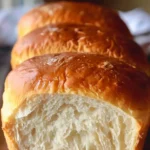
Learn how to make No-Fail Amish White Bread with simple ingredients and easy steps. Perfect for homemade bread lovers!
- Prep Time: 30 minutes
- Cook Time: 30 minutes
- Total Time: 1 hour 30 minutes
- Yield: 2 loaves 1x
- Category: Bread
- Method: Baking
- Cuisine: American
- Diet: Vegetarian
Ingredients
- 4 cups all-purpose flour
- 2 cups warm water
- 1 tablespoon sugar
- 1 tablespoon salt
- 2 tablespoons active dry yeast
- 2 tablespoons vegetable oil
Instructions
- In a large bowl, dissolve sugar and yeast in warm water. Let it sit until frothy.
- Add salt, oil, and flour, mixing until a dough forms.
- Knead the dough for about 8-10 minutes until smooth.
- Place the dough in a greased bowl, cover, and let it rise until doubled in size, about 1 hour.
- Punch down the dough, shape it into loaves, and place in greased pans.
- Cover and let rise again until doubled, about 30 minutes.
- Bake in a preheated oven at 350°F (175°C) for 30 minutes until golden brown.
- Cool on wire racks before slicing.
Notes
- Ensure your water is warm but not hot to activate the yeast.
- You can add herbs or spices for flavor variations.
Nutrition
- Serving Size: 1 slice
- Calories: 150
- Sugar: 1g
- Sodium: 200mg
- Fat: 4g
- Saturated Fat: 1g
- Unsaturated Fat: 3g
- Trans Fat: 0g
- Carbohydrates: 28g
- Fiber: 1g
- Protein: 5g
- Cholesterol: 0mg
Keywords: No-Fail Amish White Bread, homemade bread, easy bread recipe