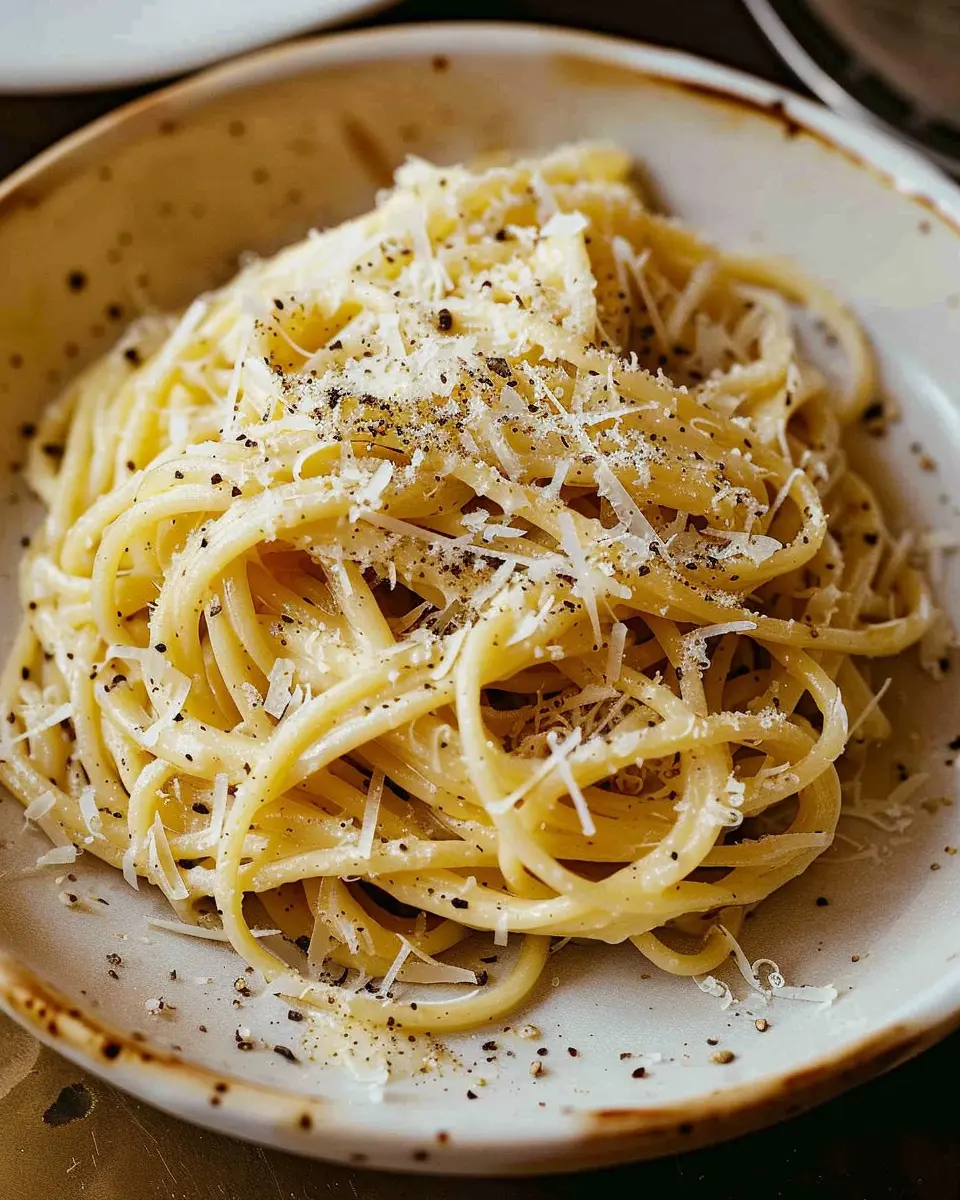
Introduction to Cacio e Pepe
A Love Letter to Simplicity in Pasta
If there’s one dish that perfectly encapsulates the beauty of Italian cuisine, it’s undoubtedly Cacio e Pepe. This classic Roman dish speaks volumes about the elegance of simplicity, celebrating just a few quality ingredients: pasta, cheese, and black pepper. Often enjoyed by locals, it has gained immense popularity around the world, and for good reason. In today’s fast-paced life, where we’re bombarded with extravagant food trends, Cacio e Pepe reminds us that sometimes, less is more.
The magic lies in the balance of flavors. The creaminess of the Pecorino Romano cheese melds seamlessly with the heat from freshly cracked black pepper, resulting in a dish that is not just food, but an experience. According to culinary expert Massimo Bottura, “The most important flavors in the world are just a few: salt, pepper, and cheese.” And how true that is! With only three main components, anyone can whip up this dish with a little know-how and a touch of love.
Cooking Cacio e Pepe is a straightforward process, perfect for young professionals who may be balancing busy schedules. As you bring the pasta to a boil, you’ll feel the anticipation building. It’s about timing and technique — the water must be salted well, the cheese should be finely grated, and the black pepper must be fresh to achieve that perfect creamy sauce that clings to the pasta.
For those exploring the culinary world, you can find great insights about the dish’s origins and variations on sites like Saveur or Serious Eats. Not only can you learn how to master this dish, but you can also delve into its rich history and the cultural significance behind it, making you appreciate each bite even more.
As you set out on this culinary journey, remember that Cacio e Pepe is not just a meal; it’s a celebration of the art of cooking. So, gather your ingredients and get ready to impress your friends or simply treat yourself to a bowl of happiness!
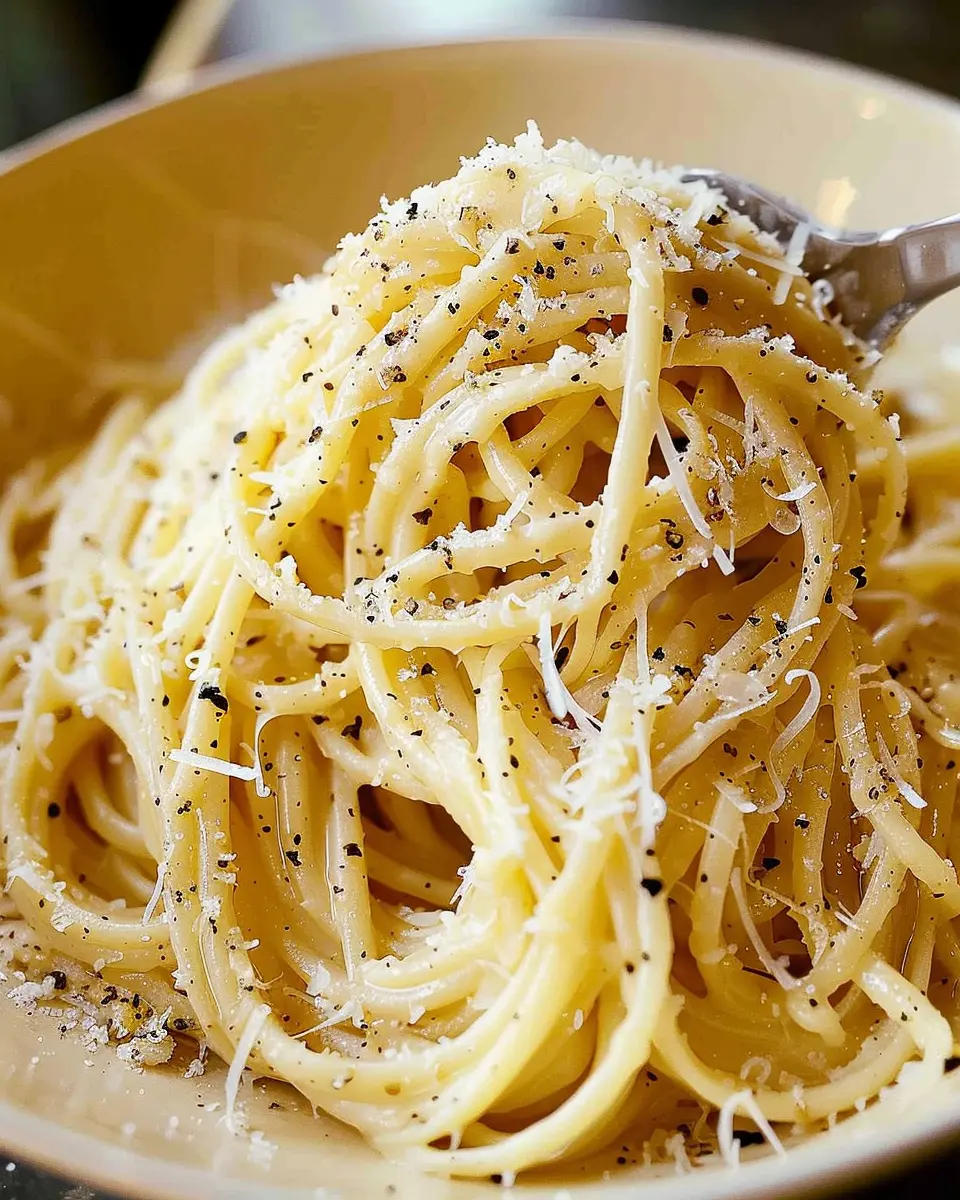
Ingredients for Cacio e Pepe
Essential pantry staples
Making a fantastic Cacio e Pepe is all about the basics. Here are the core ingredients you’ll need:
- Pasta: Traditionally, spaghetti or tonnarelli works best.
- Cheese: Pecorino Romano is the star of this dish—its salty and sharp flavor is key.
- Black pepper: Freshly cracked pepper gives a warm, aromatic kick that elevates the dish.
These three ingredients are typically all you need for a classic Cacio e Pepe, but don’t be fooled by the simplicity! With the right techniques, you can create a creamy, delicious pasta that rivals any fine dining experience.
Optional additions for flavor
While the classic version shines on its own, you can enhance your Cacio e Pepe with a few optional ingredients:
- Turkey bacon: For a bit of crunch and a savory touch, crispy turkey bacon can be a delightful addition.
- Chicken ham: Adding pieces of chicken ham can inject some juicy flavor into the dish.
- Olive oil or butter: A drizzle of quality olive oil or a pat of butter can enrich the sauce.
Feel free to explore these options! You might find a personal favorite among them, adding your unique twist to this beloved classic. For more tips on ingredient selection, check out resources from Serious Eats.
Preparing Cacio e Pepe
Cacio e Pepe, or “cheese and pepper,” is one of those classic Italian dishes that stands the test of time. It’s simple, yet incredibly delicious, making it perfect for any home chef looking to impress. Let’s walk through the steps to prepare this beloved dish and explore how you can make it your own, with practical tips and tricks along the way.
Gathering your ingredients
To start, you’ll want to gather high-quality ingredients, as they make all the difference. The basic components of cacio e pepe are minimal—just pasta, cheese, and pepper. Here’s what you’ll need:
- Pasta: Spaghetti or tonnarelli are traditional choices, but feel free to experiment with any long pasta you like.
- Pecorino Romano cheese: This sharp, salty cheese is essential for a true cacio e pepe experience.
- Black pepper: Freshly cracked is best for maximum flavor.
- Salt: For seasoning the pasta water.
One pro tip? Using quality ingredients not only enhances the dish but also elevates your cooking experience. Consider linking to a reputable source like Fine Cooking for more info on ingredient selection.
Boiling the pasta to perfection
Bring a large pot of salted water to a boil—don’t skimp on the salt! A well-seasoned pot of water is key to flavoring your pasta as it cooks. Once the water bubbles vigorously, add in your pasta and let it cook until it’s al dente. Make sure to check the package for specific cooking times, but typically 8-10 minutes should do the trick.
Remember to reserve about a cup of that pasta water before draining. This starchy water will act as a magic binding agent later on, transforming your simple cacio e pepe into a creamy dish without the use of cream.
Creating the creamy sauce
While the pasta is cooking, it’s the perfect time to prepare your cacio e pepe sauce. Grate your Pecorino Romano cheese finely, as finer cheese melts more easily, helping to form that coveted creamy sauce. Freshly cracked black pepper is also essential—use a generous amount for that signature bite!
Here’s a quick tip: Toast the black pepper in a dry skillet over medium heat for about a minute. This step enhances the pepper’s flavor and adds a delightful depth to your dish.
Combining pasta with sauce
With your pasta cooked and drained, it’s time to bring everything together. In a large skillet, combine the drained pasta with a splash of reserved pasta water and a sprinkle of the toasted black pepper.
Now, the magic happens: Gradually add the grated Pecorino while stirring constantly. This is where you’ll see that pasta transform into a glossy, creamy delight (without needing any cream, of course). If the sauce seems too thick, just add a bit more of that starchy pasta water until you reach your desired consistency.
Serving your Cacio e Pepe
Your cacio e pepe is almost ready to wow your taste buds! Once combined, plate your pasta and finish it off with extra cheese and a sprinkle of freshly cracked black pepper on top. For a little variety, why not add some finely chopped parsley or arugula to garnish?
Serve this dish hot, and you’ll find that simplicity is the secret to its elegance. Want to experiment? Consider pairing it with a side salad or steamed veggies for a balanced meal.
Celebrating the straightforward, delicious nature of cacio e pepe is what it’s all about. So gather your ingredients, enjoy the cooking process, and most importantly, savor every bite of your homemade creation!
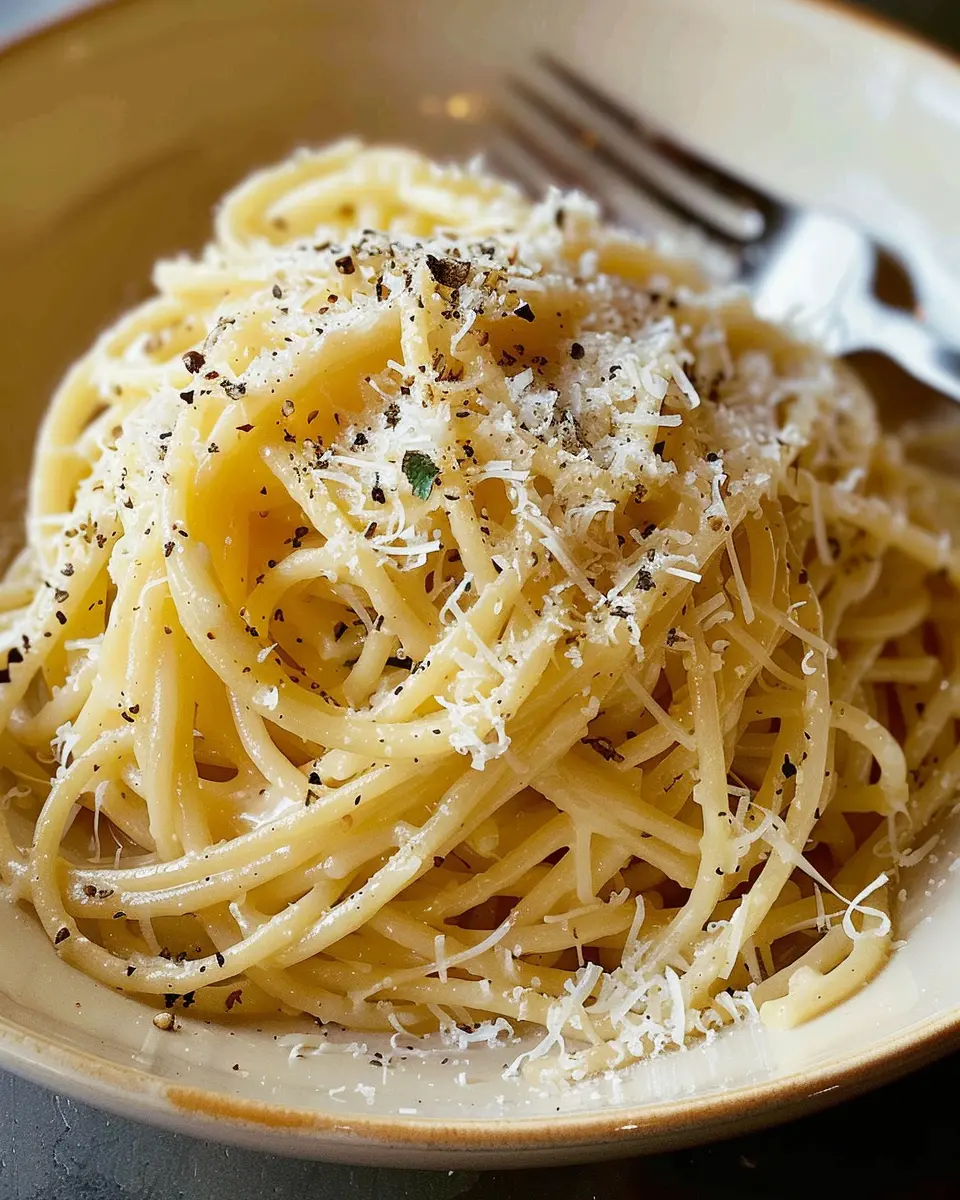
Variations on Cacio e Pepe
Cacio e Pepe is a wonderfully versatile dish that can be easily adapted to suit your taste preferences or seasonal ingredients. Let’s dive into a couple of delicious variations that can take your beloved pasta to the next level!
Adding proteins for a hearty twist
If you’re looking to add some protein to your Cacio e Pepe, consider incorporating chicken ham or turkey bacon. These options not only infuse the dish with rich flavors but also enhance its nutritional profile. Here’s how you can do it:
-
Chicken Ham: Dice or shred some chicken ham and sauté it lightly before tossing it with your pasta. This savory addition complements the creamy pecorino and pepper beautifully.
-
Turkey Bacon: Think of turkey bacon as a healthier alternative to traditional bacon. Cook it until crispy, chop it up, and mix it in with your Cacio e Pepe for an exciting crunch and flavor contrast.
Incorporating seasonal vegetables
Another way to upgrade your Cacio e Pepe is by adding seasonal vegetables. Whether it’s asparagus in spring or butternut squash in fall, these veggies can elevate the dish’s taste and texture. Here are some ideas:
-
Spinach or Kale: Sauté some spinach or kale until wilted, then mix it with your pasta. The greens add a nice pop of color and nutrients.
-
Roasted Cauliflower or Zucchini: These veggies work well when roasted to caramelize their natural sugars. Toss them in just before serving to merge the flavors seamlessly.
These variations not only make your Cacio e Pepe even more satisfying but also allow you to be creative in the kitchen. So, what’s stopping you from experimenting with this classic dish?
Cooking tips and notes for Cacio e Pepe
The importance of freshly grated cheese
When crafting the perfect Cacio e Pepe, using freshly grated cheese makes all the difference. Grated cheese starts to lose its flavor and texture over time, so opt for a high-quality Pecorino Romano. Not only does it melt better, but it also lends that essential salty kick to your dish. Grating your own cheese also gives you greater control over consistency, ensuring a silky sauce that clings deliciously to the pasta.
Choosing the right pasta
For an authentic Cacio e Pepe experience, stick with spaghetti or bucatini. Both choices offer the right texture to hold the simple sauce. Skip the pre-packaged varieties; fresh pasta can elevate your dish significantly. The key is to cook your pasta al dente. Remember to reserve some pasta cooking water; it’s your secret weapon for achieving the perfect creamy consistency in the sauce.
When it comes to cooking, don’t hesitate to personalize your Cacio e Pepe by adding a pinch of crushed red pepper for a kick or tossing in some freshly cracked black pepper just before serving. Enjoy the journey of creating this classic dish!
For more tips on pasta selection and uses of cheese, you can check this resource for additional insights.
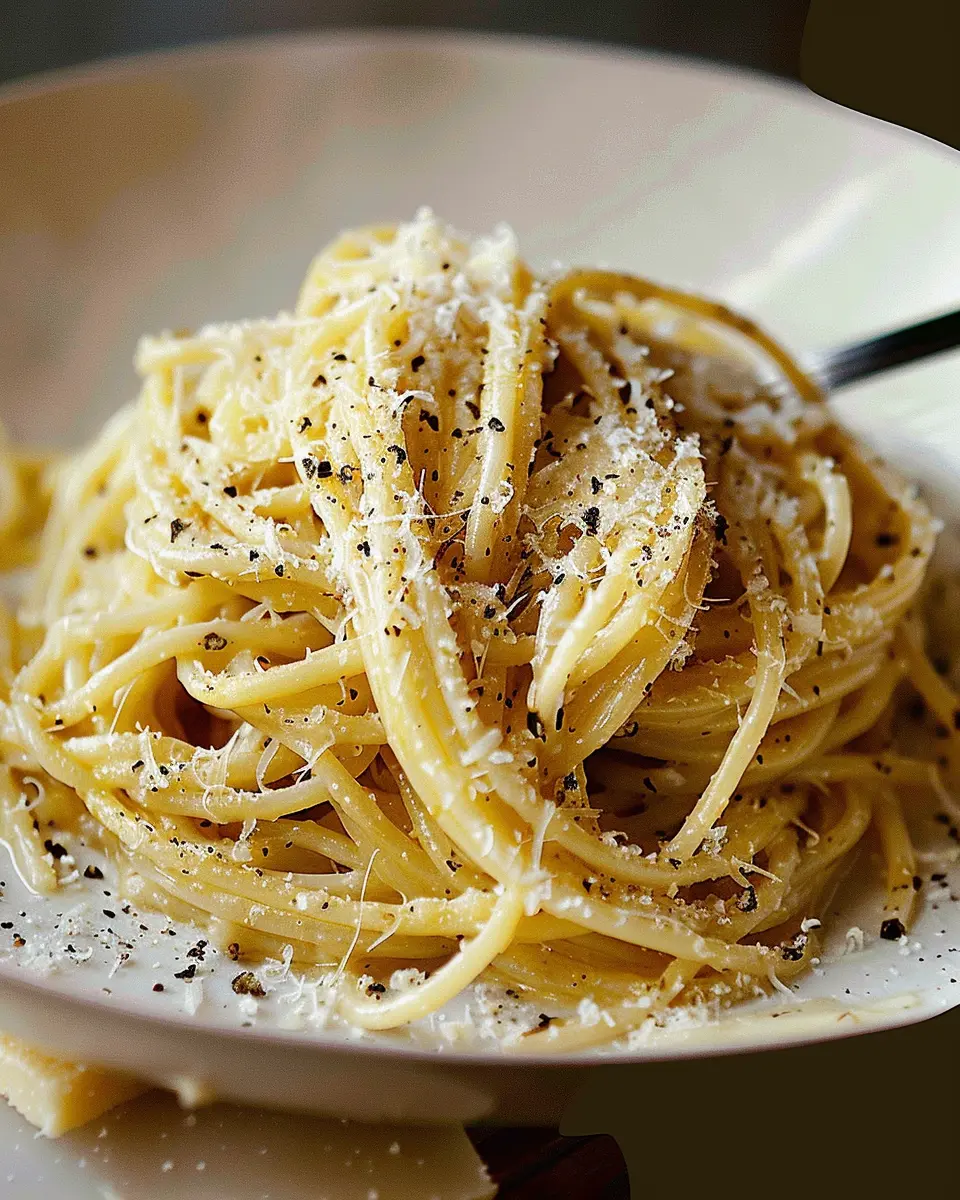
Serving suggestions for Cacio e Pepe
Pairing with Simple Salads
Cacio e Pepe is a wonderfully rich dish, and pairing it with a simple salad can create a delightful contrast. A bright and refreshing arugula salad, dressed lightly with lemon juice and olive oil, complements the creamy pasta beautifully. Consider adding cherry tomatoes or shaved Parmigiano-Reggiano for an extra burst of flavor. Did you know that salads high in fiber can actually help with digestion? According to the FDA, incorporating fiber-rich foods like leafy greens into your meals can promote a healthier gut.
Creative Presentation Ideas
When it comes to serving cacio e pepe, presentation matters. Try serving it in individual bowls or even in cast-iron skillets for a rustic touch. Top each serving with freshly cracked black pepper and a sprinkle of finely grated Pecorino Romano. Garnishing with a sprig of fresh parsley not only adds a pop of color but makes your dish look gourmet. Feeling adventurous? You could even drizzle a bit of truffle oil for a luxurious twist. Check out these tips on dressing up your pasta dishes for more ideas!
This approach will turn an already delightful dish into a showstopper, perfect for impressing friends at your next dinner gathering.
Time breakdown for Cacio e Pepe
Preparation time
Getting everything ready for Cacio e Pepe takes about 10 minutes. You’ll want to gather your ingredients—a mix of spaghetti, pecorino romano, and freshly cracked black pepper. Have a pot of salted water on standby! It’s all about setting yourself up for success.
Cooking time
The magic happens swiftly in the kitchen. Cooking the pasta typically takes around 10-12 minutes, but keep a close eye on it. The goal is that perfect al dente texture. Once the pasta is done, it only takes an additional 5 minutes to mix everything together and create that creamy, cheesy goodness.
Total time
All said and done, from prep to plating, you’re looking at a total time of about 25 minutes. Perfect for a weeknight dinner when you want something delicious without spending the entire evening cooking! Interested in learning more about timing and techniques? Check out expert chef insights for further tips on mastering your timing in the kitchen.
Nutritional facts for Cacio e Pepe
When whipping up a delicious plate of cacio e pepe, it’s important to consider the nutritional aspect to maintain a balanced diet. Here’s a quick overview to help you enjoy this Italian classic with a mindful approach.
Calories
A typical serving of cacio e pepe contains about 550 calories. This can vary based on portions and the specific type of cheese used, so adjusting portion sizes can help you cater to your dietary needs.
Protein
You can expect around 20 grams of protein in cacio e pepe, mainly from the cheese and pasta. Cheese not only adds flavor but also provides essential amino acids that are vital for muscle repair and growth.
Sodium
Keep in mind, the dish can be a bit high in sodium, averaging about 800 mg per serving. This mainly comes from the cheese and added salt during preparation, so be cautious if you’re watching your sodium intake.
For more detailed nutritional insights, check out resources like NutritionData and USDA FoodData Central to dive deeper into ingredient breakdowns.
FAQs about Cacio e Pepe
What is the origin of Cacio e Pepe?
Cacio e Pepe is a treasured dish that hails from the beautiful region of Lazio, particularly Rome. The name itself translates to “cheese and pepper,” which is essentially the foundation of this simple yet indulgent dish. Its origins go back to the ancient shepherds who would prepare it using staples they could carry with them: cheese, pepper, and pasta. Not only is Cacio e Pepe a testament to the culinary genius of classic Italian cuisine, but it also highlights the beauty of minimalism in cooking. For more on Roman pasta dishes, check out this in-depth article from Food & Wine.
Can I make Cacio e Pepe in advance?
While enjoying Cacio e Pepe fresh is ideal, you can prepare the components ahead of time. Cook your pasta al dente and toss it with a little olive oil to prevent sticking. You can also grate your cheese and measure your pepper in advance. When you’re ready to serve, simply combine everything in a pot over low heat, adding a splash of pasta water to bring it all together. Although reheating might not capture the dish’s original texture, you can still enjoy it later if you’re in a pinch!
How can I make Cacio e Pepe more filling?
If you want to turn this classic dish into a heartier meal, consider adding some elements like:
- Protein: Stir in some shredded chicken ham or crispy turkey bacon for added flavor and substance.
- Vegetables: Sautéed greens like spinach or peas can provide additional nutrients and color.
- Nutty Additions: Throw in some toasted pine nuts or walnuts to give a satisfying crunch.
With these tweaks, your Cacio e Pepe can easily satisfy hunger while still retaining its signature character. Just remember, even with additions, preserving the balance of cheese and pepper is key!
Conclusion on Cacio e Pepe
Celebrate the Joy of Homemade Pasta
In wrapping up our journey through the delightful realm of cacio e pepe, one can’t help but appreciate the beauty of creating something so simple yet so incredibly satisfying. Homemade pasta brings a unique flavor and texture that’s simply unmatched, elevating any dish. When you stir in that rich combination of Pecorino Romano and freshly cracked pepper, it’s more than just a meal—it’s an experience.
So why not gather some friends or family, or even treat yourself to a cozy evening in? Cooking pasta from scratch is a wonderful way to unwind, and you might just find joy in the process. For more about pasta-making techniques, check out this informative article from Serious Eats. Embrace the warmth of your kitchen and celebrate this delicious Italian classic!
PrintCacio e Pepe: The Best Creamy Pasta You’ll Love to Make at Home
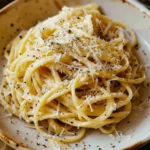
Cacio e Pepe is a classic Italian pasta dish that perfectly blends creamy cheese with pepper for a simple yet delicious meal.
- Prep Time: 10 minutes
- Cook Time: 10 minutes
- Total Time: 20 minutes
- Yield: 4 servings 1x
- Category: Pasta
- Method: Stovetop
- Cuisine: Italian
- Diet: Vegetarian
Ingredients
- 400 grams spaghetti
- 100 grams Pecorino Romano cheese, grated
- 6 grams black pepper, freshly ground
- 50 milliliters pasta water
- salt to taste
Instructions
- Bring a large pot of salted water to a boil.
- Add the spaghetti and cook according to package instructions until al dente.
- While the pasta is cooking, mix the grated Pecorino Romano cheese and black pepper in a bowl.
- Reserve some pasta water and drain the spaghetti.
- Add the hot spaghetti to the cheese mixture along with some reserved pasta water, stirring quickly to create a creamy sauce.
- Serve immediately with extra cheese and pepper on top.
Notes
- For a richer flavor, use freshly grated cheese.
- Adjust the amount of black pepper based on your spice preference.
Nutrition
- Serving Size: 1 plate
- Calories: 600
- Sugar: 2 grams
- Sodium: 300 milligrams
- Fat: 20 grams
- Saturated Fat: 9 grams
- Unsaturated Fat: 10 grams
- Trans Fat: 0 grams
- Carbohydrates: 80 grams
- Fiber: 3 grams
- Protein: 24 grams
- Cholesterol: 50 milligrams
Keywords: Cacio e Pepe, creamy pasta, Italian recipe