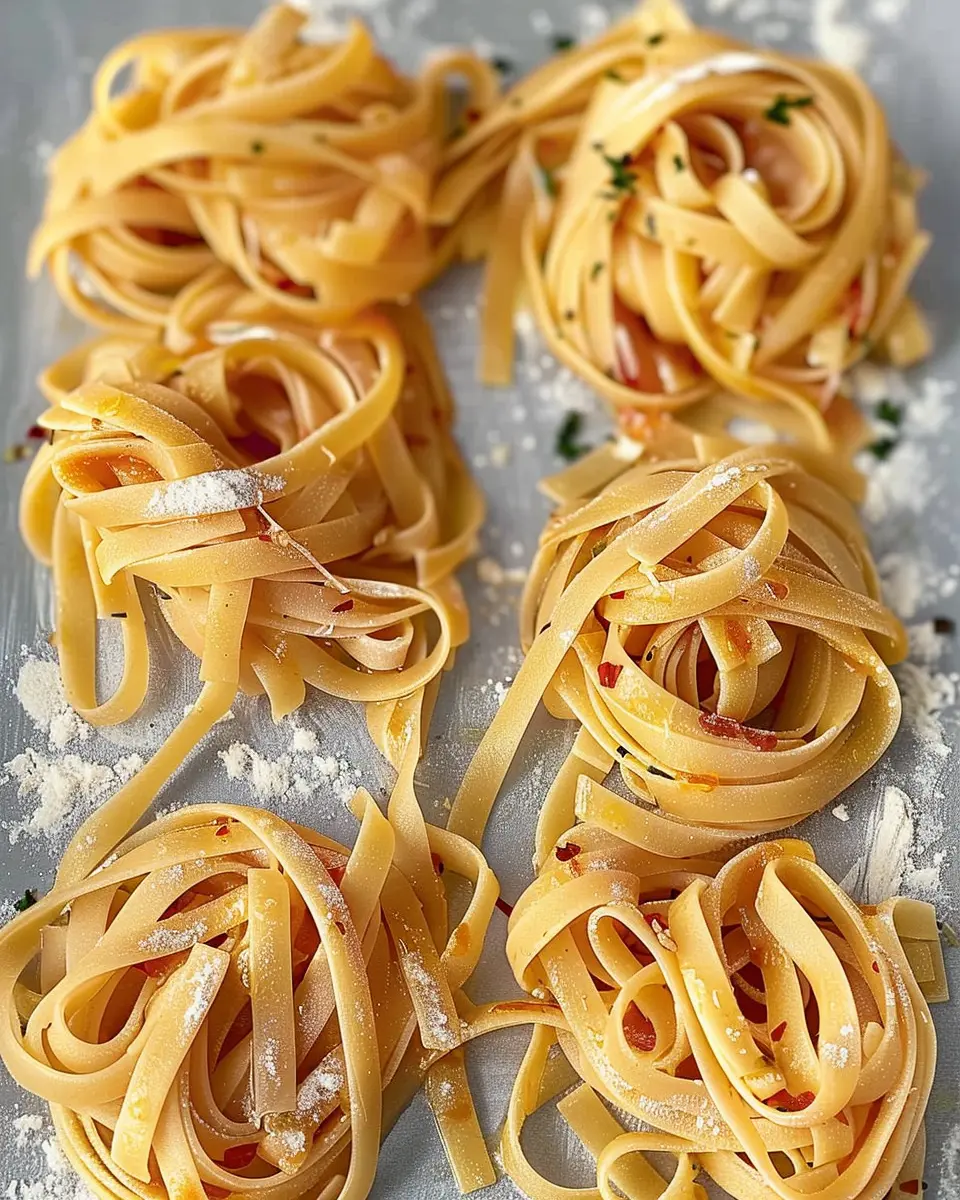
Introduction to Homemade Pasta
Why make homemade pasta?
Have you ever tasted fresh pasta? If you haven’t, you’re in for a delightful surprise. Making homemade pasta not only elevates your meals but also introduces you to a culinary art that connects you deeply to your food. The ingredients are simple—flour, eggs, and a pinch of salt—yet the experience is anything but ordinary. You can customize your pasta shapes and flavors, making it perfect for any occasion or palate.
Not convinced yet? Consider this: according to the Culinary Institute of America, mastering a basic pasta recipe can significantly enhance your cooking skills. Once you learn the basics, you can experiment with various types, from fettuccine to ravioli, using different fillings and sauces. It’s an opportunity to get creative, and your taste buds will thank you.
The joy of creating your own fresh pasta
There’s something incredibly rewarding about crafting your own homemade pasta. Imagine the joy of mixing ingredients, kneading the dough, and rolling it out into beautiful sheets. It’s a hands-on activity that pulls you away from screens and into the kitchen, offering a moment of mindfulness amid your busy life.
As you create your pasta, you might find yourself reminiscing about family dinners or how cooking has evolved from necessity to artistry in modern kitchens. This process can be quite therapeutic. A 2015 study in the journal “Food Quality and Preference” even suggested that cooking can improve mental well-being, a perfect reason to give pasta-making a go!
When you invite friends over for dinner, serving homemade pasta is an instant conversation starter. It shows that you care about what you serve, and you’ll likely get compliments that circle around how ‘authentic’ your dish tastes. Plus, doesn’t sharing a meal made with your own hands create unforgettable memories?
So grab some flour and eggs, and let’s embark on this pasta-making journey together. Not only will you learn a new skill, but you’ll discover a deeper appreciation for one of life’s simplest yet profound pleasures—food. Ready to roll?
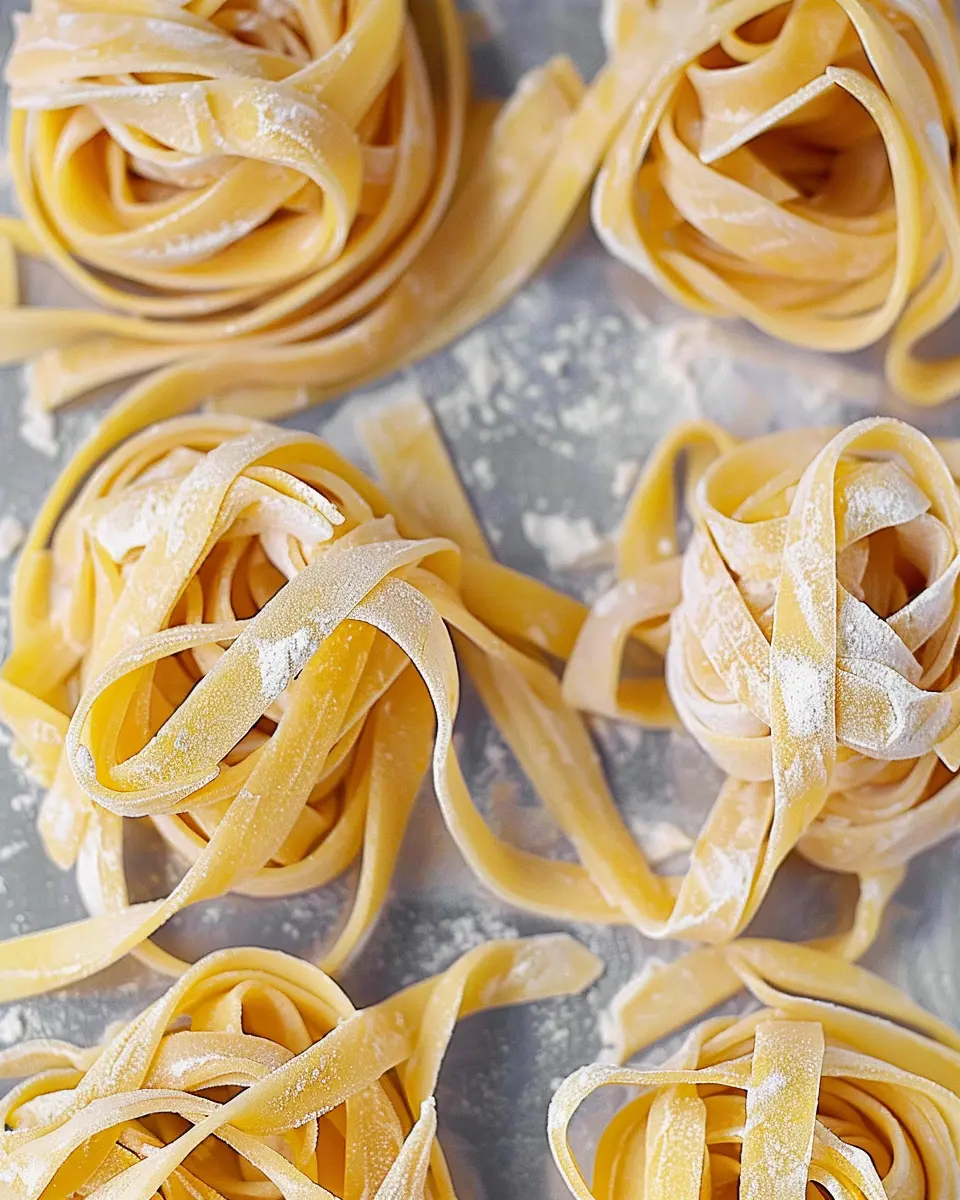
Ingredients for Homemade Pasta
Creating homemade pasta is a delightful culinary experience that only requires a few essential ingredients. Let’s dive into what you’ll need to get started on this delicious journey!
Essential Ingredients
- All-purpose flour: For a classic pasta base, you’ll want about 2 cups of all-purpose flour. For a richer flavor, consider using a mix of flour types—semolina flour offers a little extra texture.
- Eggs: The magic ingredient! You’ll need 3 large eggs to provide richness and structure. Fresh eggs can make a big difference in flavor.
- Salt: Just a pinch (around ½ teaspoon) will enhance your pasta’s taste.
- Water: Only if necessary, to adjust the dough consistency. You might not need it, but having it handy is a smart choice.
Recommended Tools
To craft your homemade pasta, a few kitchen tools will make your life easier:
- Mixing bowl: For combining your ingredients.
- Rolling pin: To roll out your dough to the perfect thickness. If you want to level up, a pasta machine can help.
- Knife or pizza cutter: For slicing your pasta into desired shapes.
- Measuring cups and spoons: Precision is key in cooking!
By gathering these simple ingredients and tools, you’re well on your way to making delicious homemade pasta right in your kitchen. For more tips on pasta techniques, The Kitchn has great resources. Happy cooking!
Preparing Homemade Pasta
Making homemade pasta is not just about the meal; it’s an experience that brings joy to your kitchen. Whether you’re cooking for yourself, a date, or a gathering with friends, the process of creating fresh pasta is deeply satisfying. Let’s walk through the steps of making it from scratch!
Create the Flour Nest
Start by gathering your ingredients. For a simple pasta dough, you will need:
- 2 cups of all-purpose flour (plus extra for dusting)
- 3 large eggs
- A pinch of salt
- Optional: A little olive oil for richness
Now, on a clean countertop, pile your flour into a mound and make a deep well in the center, resembling a nest. This is where the magic begins! The well is crucial; it keeps the eggs contained while you mix. Add the eggs (and olive oil, if using) into the center, and make sure not to break the walls of flour just yet. This technique allows for better control as you mix the ingredients, helping to prevent a messy kitchen disaster!
Combine Ingredients and Knead the Dough
Now it’s time to get your hands in there. Using a fork, begin to beat the eggs gently, pulling in flour from the inner walls of the well a little at a time. It can feel a bit like a mini workout! Once it’s combined into a shaggy mass, it’s time to knead.
Transfer the mixture to a lightly floured surface and start kneading it with your hands. The goal is to develop the gluten, which gives pasta its unique texture. Knead the dough for about 8-10 minutes until it becomes smooth and elastic. If it’s too sticky, sprinkle a little flour as you knead. Remember, it should feel like a soft pillow by the end of the process—this texture is what makes your homemade pasta delightful.
Resting the Dough
Once you’ve kneaded your dough, it’s essential to let it rest. This step is often overlooked, but it is crucial for achieving the perfect pasta. Wrap your dough in plastic wrap or cover it with a damp kitchen towel and let it rest for at least 30 minutes at room temperature.
During this time, the gluten relaxes, making it easier to roll out later. Pro tip: Use this opportunity to prepare your sauce or other pasta accompaniments!
Roll and Shape the Pasta
After your dough has rested, it’s time for the fun part—rolling it out! Divide your dough into smaller pieces to work with more easily. Using a rolling pin or a pasta machine (if you have one), roll each piece until it’s about 1/16 inch thick. This is where you can truly let your creativity flow!
If you’re using a pasta machine, start on the widest setting and gradually move to thinner settings. As you roll, dust with flour as needed to keep it from sticking. The thinner you can roll it, the softer and silkier your homemade pasta will be.
Cut the Pasta Into Desired Shapes
With your rolled-out dough ready, the next step is to cut it into your desired pasta shapes. You can create fettuccine, tagliatelle, or even ravioli! Here are some options:
- Fettuccine: Use a sharp knife or pasta cutter to slice into strips.
- Tagliatelle: Roll the dough loosely and cut into broader strips for a more rustic feel.
- Ravioli: Place filling on one sheet, fold over, and cut out using a knife or pastry cutter.
Once cut, be sure to lightly dust the pasta with flour to prevent it from sticking together. Your homemade pasta is now ready to cook or dry for later!
Making homemade pasta may seem intricate at first, but with practice and patience, it becomes second nature. Plus, there’s nothing quite like the taste of fresh pasta made right in your own kitchen. Ready to give it a try? Let’s get cooking!
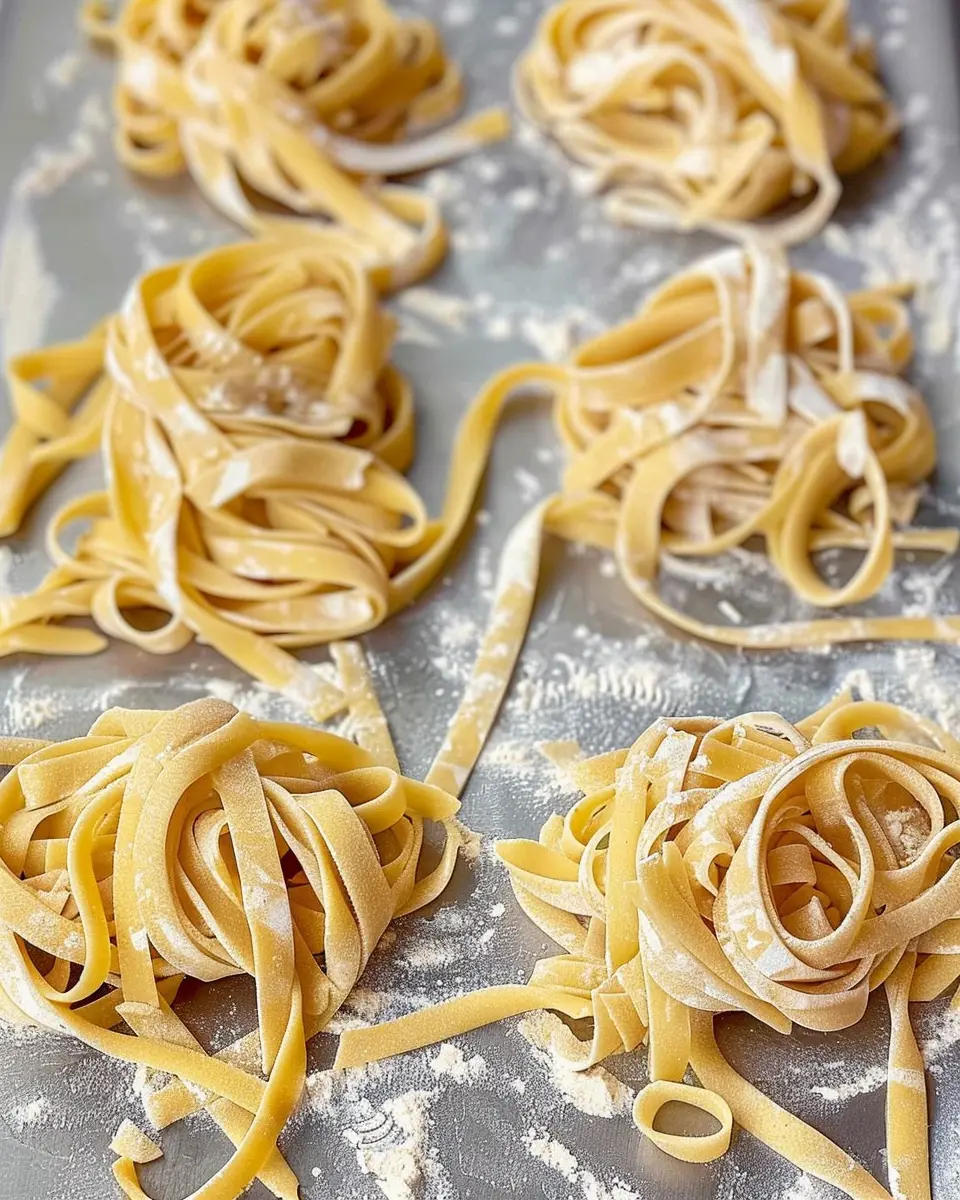
Variations on Homemade Pasta
When it comes to homemade pasta, the possibilities are nearly endless. Whether you’re looking to boost nutrition or impress your dinner guests with unique flavors, there are several fun variations you can try right in your own kitchen.
Spinach Pasta
Adding spinach to your pasta dough not only brightens the color but also packs in some extra nutrients. Simply blend about 1 cup of fresh spinach with your eggs before mixing it into the flour. The result is a lovely green pasta that pairs well with light sauces, like a garlic-infused olive oil. Plus, it’s a great way to sneak in some veggies!
Whole Wheat Pasta
For a heartier option, consider using whole wheat flour instead of traditional all-purpose flour. This variation gives your homemade pasta a nutty flavor and a denser texture. Many people opt for whole wheat for its higher fiber content, which keeps you fuller for longer. Using this type of flour is simple—just replace it in a one-to-one ratio with the regular flour.
Flavored Pasta Options
Feeling adventurous? You can easily infuse your pasta with unique flavors. Try incorporating:
- Herbs: Add dried basil, oregano, or garlic powder for an aromatic twist.
- Beets or Carrots: These vegetables can yield a vibrant color and subtle sweetness. Just puree them and mix into your dough.
- Spices: A sprinkle of paprika or turmeric can warm up your dish visually and flavorfully.
Creating these variations not only diversifies your meals but also allows you to customize dishes according to your palate and dietary preferences. For more inspiration on flavors, consider checking out resources like Serious Eats for expert tips. Happy cooking!
Cooking Tips and Notes for Homemade Pasta
Perfecting Your Kneading Technique
Kneading is a vital step in making homemade pasta. Aim for a smooth and elastic dough by kneading for about 10 minutes. Use the heel of your hand to push the dough away from you, then fold it back. This method ensures even gluten development, resulting in a tender yet firm pasta. Remember to keep your work surface lightly floured to prevent sticking. Don’t be discouraged if your dough feels rough initially; it will come together beautifully!
Tips for Storing Pasta
Once your homemade pasta is ready, proper storage is crucial. If you’re not cooking it immediately, let the pasta dry for about 30 minutes before storing. Then, you can either:
- Keep it in an airtight container in the fridge for up to two days.
- Freeze it for longer storage; just remember to dust the pasta with flour to prevent sticking.
For a deeper dive into pasta storage techniques, check out the Food Network’s guide for expert tips!
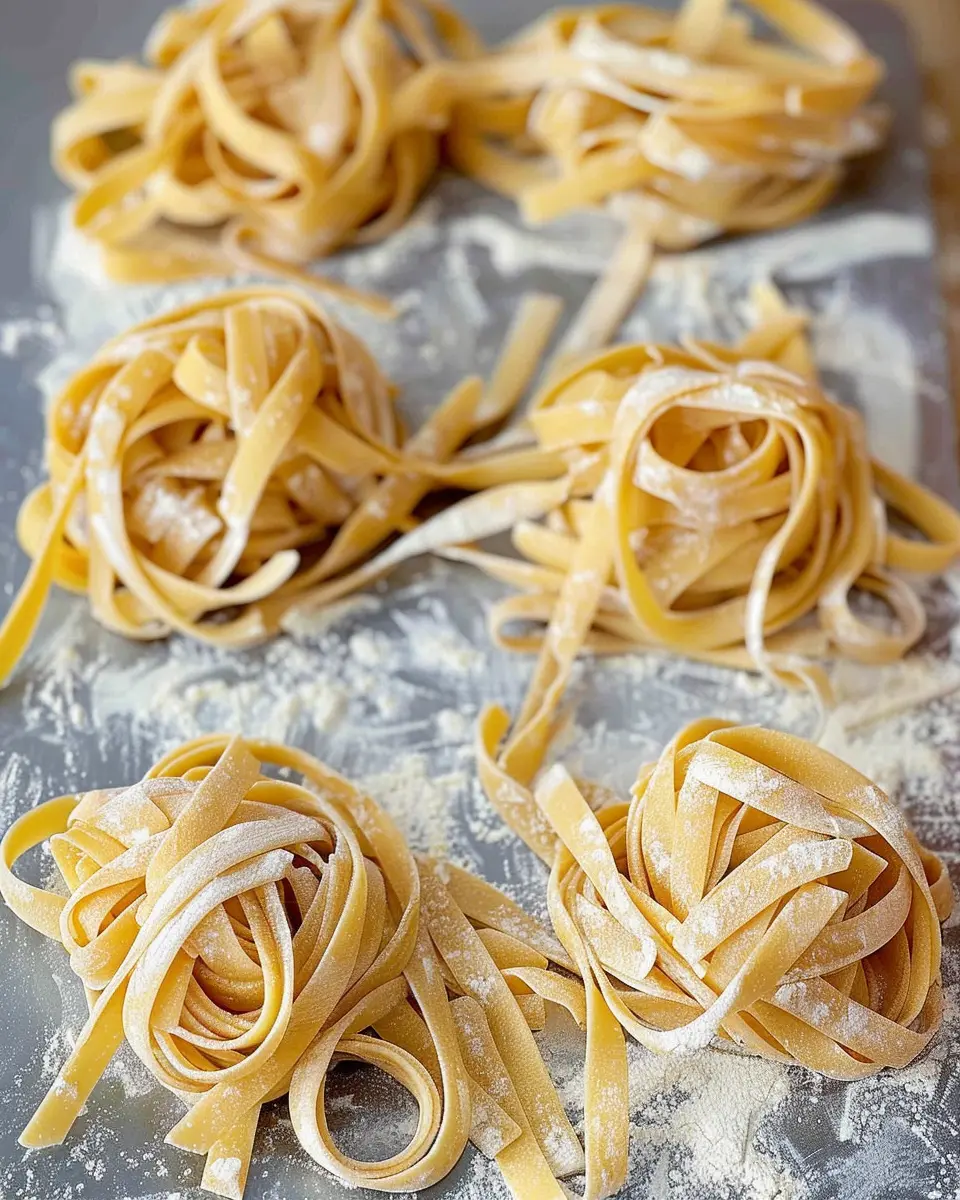
Serving Suggestions for Homemade Pasta
When it comes to homemade pasta, the world is your oyster! Here are a few tips to elevate your dish and impress your dinner guests.
Pairing Sauces with Pasta
Choosing the right sauce can make or break your homemade pasta experience. Consider these pairings:
- Creamy Alfredo: Perfect for fettuccine, this rich sauce complements the pasta’s texture.
- Pomodoro: A simple tomato sauce pairs beautifully with spaghetti, enhancing its simplicity.
- Pesto Sauce: This vibrant mix of basil, garlic, and olive oil brings a refreshing touch to any noodle.
If you’re curious about more options, check out this guide on the best pasta sauces from Serious Eats.
Creative Toppings and Garnishes
Elevate your meal with toppings that add flavor and flair:
- Fresh Herbs: Chopped basil or parsley can add a pop of color and freshness.
- Grated Cheese: A sprinkle of Parmesan or Pecorino Romano enhances richness.
- Sautéed Vegetables: Mushrooms, bell peppers, or spinach can add both nutrition and taste.
Feel free to get creative and mix these ideas to customize your homemade pasta dish. Why not experiment with a unique topping combination next time? Your palate will thank you!
Time Breakdown for Homemade Pasta
When making homemade pasta, understanding the time it takes can help you plan your meal perfectly.
Preparation time
Expect to spend about 30 minutes on preparation. This includes mixing your flour and eggs, kneading the dough, and letting it rest—a vital step for that perfect texture.
Cooking time
Cooking your freshly made pasta takes around 2-4 minutes. Keep a close eye on it, as homemade pasta cooks much faster than store-bought!
Total time
In total, you’re looking at approximately 35 minutes. This quick timeline rewards you with a deliciously satisfying dish to impress your friends and family. For more tips on perfecting your pasta-making skills, check out this guide for expert advice!
Nutritional Facts for Homemade Pasta
Making your own homemade pasta can be both a delightful experience and a healthy choice. Let’s dive into the nutritional aspects to help you appreciate its benefits.
Calories
On average, a serving of homemade pasta contains about 220 calories. This calorie count means you can enjoy your delicious meals without the guilt, especially when compared to store-bought options that often contain additives.
Carbohydrates
Homemade pasta is primarily made of flour, resulting in approximately 42 grams of carbohydrates per serving. These carbohydrates provide the essential energy you need for your daily activities, making your meals satisfying and fueling.
Protein
When you whip up some homemade pasta, you’re also adding a decent protein punch, with about 8 grams per serving. This protein comes from the flour and eggs, helping keep you full and supporting muscle repair and growth.
Want to learn more about the health benefits of pasta? Check out the Whole Grains Council for insights!
FAQs about Homemade Pasta
How long can homemade pasta be stored?
Homemade pasta, when stored properly, can be a delightful convenience. Fresh pasta can be kept in the refrigerator for about 2 to 3 days. If you want to store it longer, consider freezing it: lay the pasta flat on a baking sheet, freeze until firm, and then transfer it to an airtight container. Frozen pasta can last up to 3 months! For optimal flavor and texture, be sure to cook it straight from frozen—there’s no need to thaw.
Can I make pasta without a pasta maker?
Absolutely! Many of us don’t have a pasta maker lying around, and that’s perfectly fine. You can create delicious homemade pasta using just a rolling pin and a sharp knife. Roll out your dough as thin as you like, then cut it into your desired shapes. Looking for an alternative method? Try using a wine bottle—the curvature helps get an even roll. Just remember to keep your work surface lightly floured to prevent sticking.
What sauces pair best with homemade pasta?
One of the joys of making homemade pasta is experimenting with sauces. Whichever sauce you choose should complement the pasta’s texture. For delicate, thin pasta like angel hair, try a light olive oil and garlic sauce, maybe with a sprinkle of fresh herbs. Heartier varieties like fettuccine pair beautifully with rich sauces like creamy alfredo or a robust meat sauce made with ground turkey bacon or chicken ham. Consider controlling portion sizes and adding veggies for a fresher taste.
By answering these frequently asked questions, you’re now better equipped to enjoy your homemade pasta journey! Ready to dive deeper? Check out resources like The Pasta Revolution for more pasta-making tips.
Conclusion on Homemade Pasta
Recap of the Homemade Pasta Journey
Making homemade pasta is a rewarding experience, transforming simple ingredients into a delicious meal. From mixing the dough to rolling it out, each step builds anticipation and joy. You’ve not only learned a skill but also embraced a tradition that connects you to culinary history.
Encouragement to Experiment with Different Flavors and Shapes
Now that you’ve mastered the basics, why not get creative? Experiment with different flours, infuse your dough with flavors like spinach or beet, or try unique shapes like orecchiette or fettuccine. The possibilities are endless! Share your creations with friends and family, and don’t hesitate to explore various sauces that can make your homemade pasta shine. For inspiration, check out resources like the Academy of Culinary Nutrition for endless ideas. Your culinary adventure is only just beginning!
PrintHomemade Pasta: Easy and Delicious Recipes to Delight Everyone
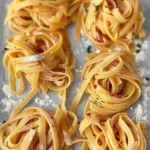
Discover the joy of making homemade pasta with these simple and delightful recipes that everyone will love!
- Prep Time: 30 minutes
- Cook Time: 3 minutes
- Total Time: 33 minutes
- Yield: 4 servings 1x
- Category: Pasta
- Method: Boiling
- Cuisine: Italian
- Diet: Vegetarian
Ingredients
- 2 cups all-purpose flour
- 3 large eggs
- 1/2 teaspoon salt
- 1 tablespoon olive oil
Instructions
- On a clean surface, make a mound with the flour, creating a well in the center.
- Crack the eggs into the well and add salt and olive oil.
- Using a fork, beat the eggs gently, gradually incorporating the flour until a dough forms.
- Knead the dough for about 10 minutes until smooth and elastic.
- Wrap the dough in plastic wrap and let it rest for 30 minutes.
- Roll out the dough thinly and cut it into your preferred pasta shape.
- Cook the pasta in boiling salted water for 2-3 minutes until al dente.
Notes
- Make sure to use high-quality flour for the best texture.
- Letting the dough rest is crucial for easy rolling.
Nutrition
- Serving Size: 1 plate
- Calories: 250
- Sugar: 0g
- Sodium: 200mg
- Fat: 8g
- Saturated Fat: 1g
- Unsaturated Fat: 5g
- Trans Fat: 0g
- Carbohydrates: 38g
- Fiber: 2g
- Protein: 8g
- Cholesterol: 186mg
Keywords: Homemade Pasta, Easy Pasta Recipes, Delicious Pasta