Introduction to How to Pick and Pickle Grape Leaves
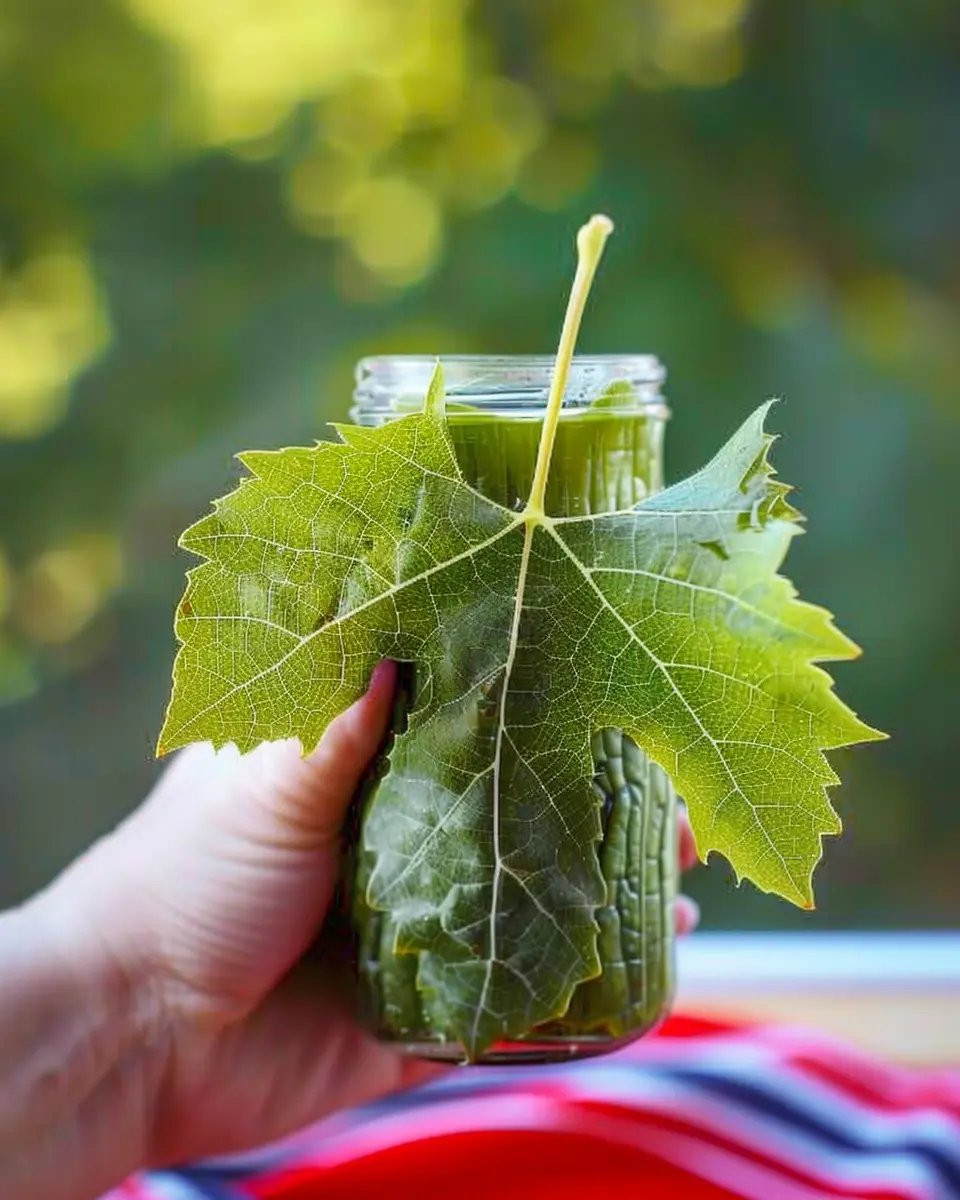
The joy of homemade pickled grape leaves starts long before you open the jar. Imagine walking in a lush vineyard or a botanically rich garden, the sunlight bathing the vibrant green leaves. Picking grape leaves is not just a household chore; it’s a delightful experience that connects you with nature and your roots. Grape leaves are perfect for homemade pickling – they not only add aesthetic appeal but also elevate your culinary creations with their unique flavor and texture.
The aroma of fresh grape leaves, especially when layered with spices, can transport you to a Mediterranean feast. Whether you plan to stuff them with savory mixtures or enjoy them as a side dish, understanding how to pick and pickle grape leaves enhances your home cooking repertoire. Plus, with low environmental impact, it’s a sustainable activity that reduces food waste and embraces local resources.
When foraging for grape leaves, it’s important to keep a few tips in mind:
- Choose young, tender leaves: These are smaller and less bitter, making them ideal for pickling.
- Check for pests and diseases: Healthy leaves will make for tastier and safer pickles.
- Harvest in spring or early summer: This is when grapevines produce the best leaves for preservation.
Once you’ve collected your leaves, the pickling process is quite simple and rewarding. The key ingredients typically include vinegar, water, and salt, mixed with your choice of spices, which can range from garlic to dill.
Many home chefs appreciate tips from sources like The Spruce Eats or Food52 for perfecting their pickling techniques. These resources not only offer insights into flavor combinations but also help understand the science of fermentation, ensuring that your pickled grape leaves turn out delicious every time.
As you embark on this journey of pickling grape leaves, you’ll find it encourages mindfulness and creativity in your cooking. It’s about savoring each step, from the picking to the eating! Whether you share your jars with friends or keep them for personal use, homemade pickled grape leaves are truly a labor of love that reflects your unique culinary style.
Ingredients for Pickling Grape Leaves
Fresh Grape Leaves
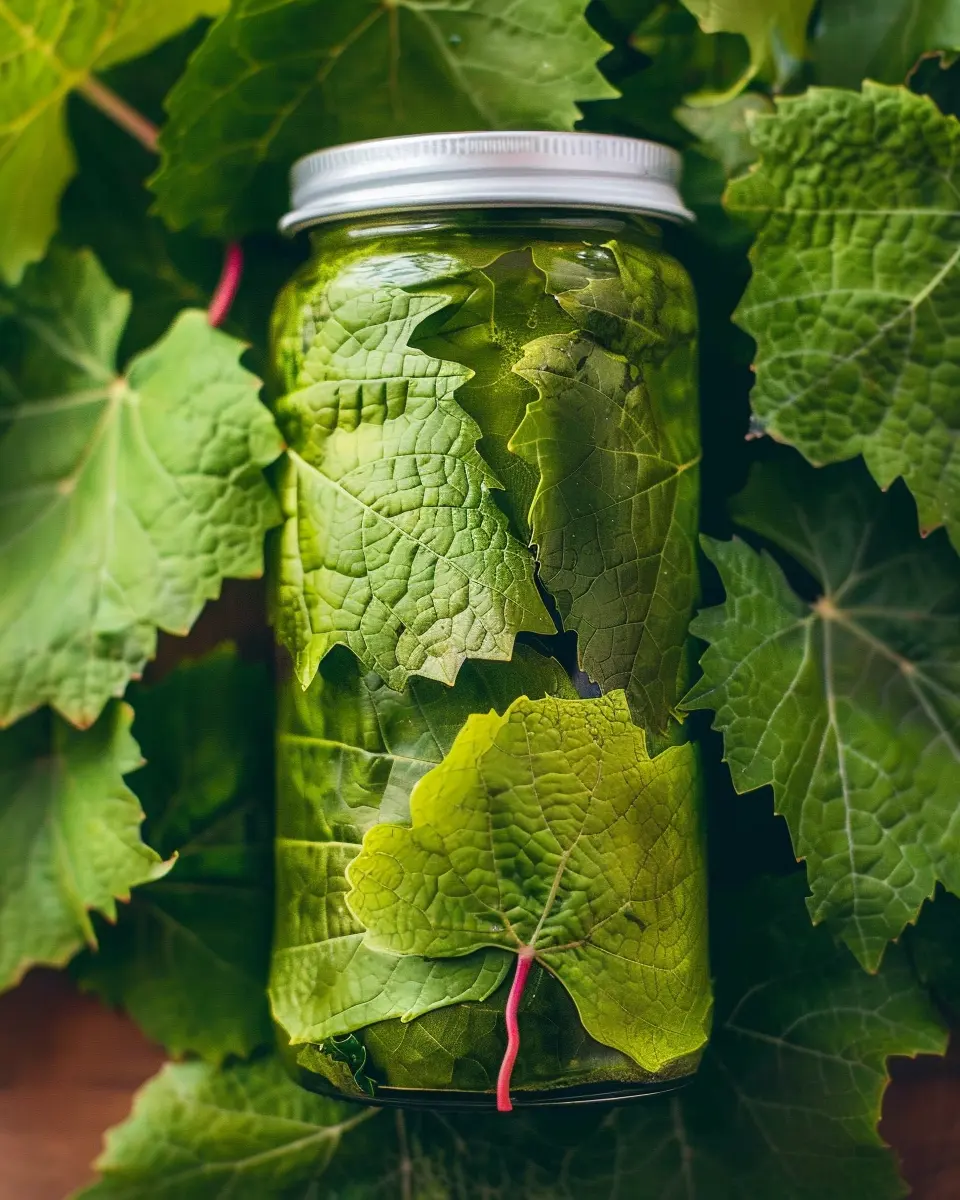
To embark on your pickling adventure, you’ll need fresh grape leaves. Look for tender, young leaves that are vibrant green, as these will yield the best flavor and texture. When harvesting, choose leaves that are about 4-6 inches long and free from any blemishes or bugs. It’s best to pick them in the early morning when they’re crisp and full of moisture. If you want to learn more about how to pick and pickle grape leaves, check out resources from gardening experts like the University of California Cooperative Extension.
Sea Salt and Citric Acid
For the brine, you’ll need non-iodized sea salt and citric acid. Sea salt enhances the flavor, while citric acid adds a tangy brightness and acts as a preservative. Aim for about ¼ cup of sea salt and one tablespoon of citric acid for a standard batch. These ingredients not only help preserve the grape leaves but also elevate their taste!
Required Equipment
Before diving in, gather your equipment to make the process smoother:
- Large pot (for boiling leaves)
- Mixing bowl
- Jars (preferably glass with airtight lids)
- Ladle and tongs
Having these tools at hand will ensure that your experience of how to pick and pickle grape leaves is enjoyable and efficient! Still curious about the art of pickling? Check out blogs like Food Storage Moms for more great tips.
Step-by-Step Preparation of Pickled Grape Leaves
If you’ve ever wondered how to pick and pickle grape leaves, you’re in for a treat. Pickled grape leaves are not only a delicious addition to various dishes, but they’re also a great way to preserve the abundant grape foliage during the growing season. Follow this step-by-step guide to enjoy every step of the process.
Harvesting and Washing the Leaves
The first step in the journey to homemade pickled grape leaves is ensuring you choose the right ones. Look for tender, young leaves—typically, leaves that are about the size of your palm are perfect. When you’re ready to harvest:
- Choose leaves early in the morning for the best flavor.
- Use clean scissors or shears to cut them, leaving the petiole (the stem) intact.
- Aim for about 20-30 leaves for a good batch.
- Once harvested, rinse them under cool running water to remove any dirt or insects.
Pro tip: Check out local gardening sites or resources for more on the best times to harvest grape leaves.
Blanching the Leaves
Blanching is a crucial step for preserving color and texture. It might sound technical, but it’s quite simple! Here’s how you do it:
- Bring a large pot of water to a rolling boil.
- Carefully drop the leaves into the boiling water and blanch for about 2-3 minutes.
- Remove the leaves and immediately plunge them into an ice bath (a bowl filled with ice water) to stop the cooking process.
This method not only enhances the leaves’ vibrant green color but also makes them more pliable for rolling later on. Consider this technique the first step to perfecting your pickling game.
Rolling and Tying the Leaves
Once your leaves are blanched and cooled, it’s time to roll them up. Here’s a fun way to do it:
- Take one leaf with the rough side facing up, place a small amount of your desired filling (like rice or a mix of herbs and spices) at the base.
- Fold in the sides and then roll it tightly from the stem end towards the tip.
- Use kitchen twine to tie each roll, ensuring they stay together during the pickling process.
Rolling can be a mindful, almost meditative exercise. Just think of each wrap as a tiny gift you’re preparing to enjoy later!
Preparing the Pickling Solution
The magic really starts with the pickling solution! You’ll need:
- 2 cups of water
- 1 cup of vinegar (apple cider or white vinegar works great)
- 1 tablespoon of salt
- Optional spices: dill, garlic, or peppercorns, based on your taste.
In a saucepan, combine the water, vinegar, and salt. Bring it to a gentle simmer and stir until the salt dissolves completely. You can taste and adjust the seasoning as per your liking—don’t be afraid to experiment!
Packing the Leaves in Jars
Now comes the fun part! It’s time to pack your tightly rolled grape leaves into sterilized jars. Here’s how:
- Layer your rolls into the jars, ensuring they fit snugly but not too tight.
- Pour the hot pickling solution over the leaves until they are fully submerged. Leave about half an inch of headspace at the top.
- Seal the jars tightly with lids.
Packing the leaves just right ensures they pickle evenly, so take your time here!
Processing and Storage
Once your jars are filled and sealed, it’s essential to process them properly for preservation:
- You can process the jars in a water bath for about 10-15 minutes to seal them properly.
- If you prefer, you can store the jars in the fridge without processing, consuming them within a few weeks.
Store your delicious pickled grape leaves in a cool, dark place. Typically, they benefit from at least a week of sitting before you indulge, allowing the flavors to meld and deepen. Visiting a site like the National Center for Home Food Preservation can give you more insights into proper canning techniques.
Now that you’ve successfully tackled how to pick and pickle grape leaves, they’ll make a perfect garnish or filling for your favorite dishes. Enjoy the fruits of your labor—these delicious bites are sure to impress!
Variations on Pickled Grape Leaves
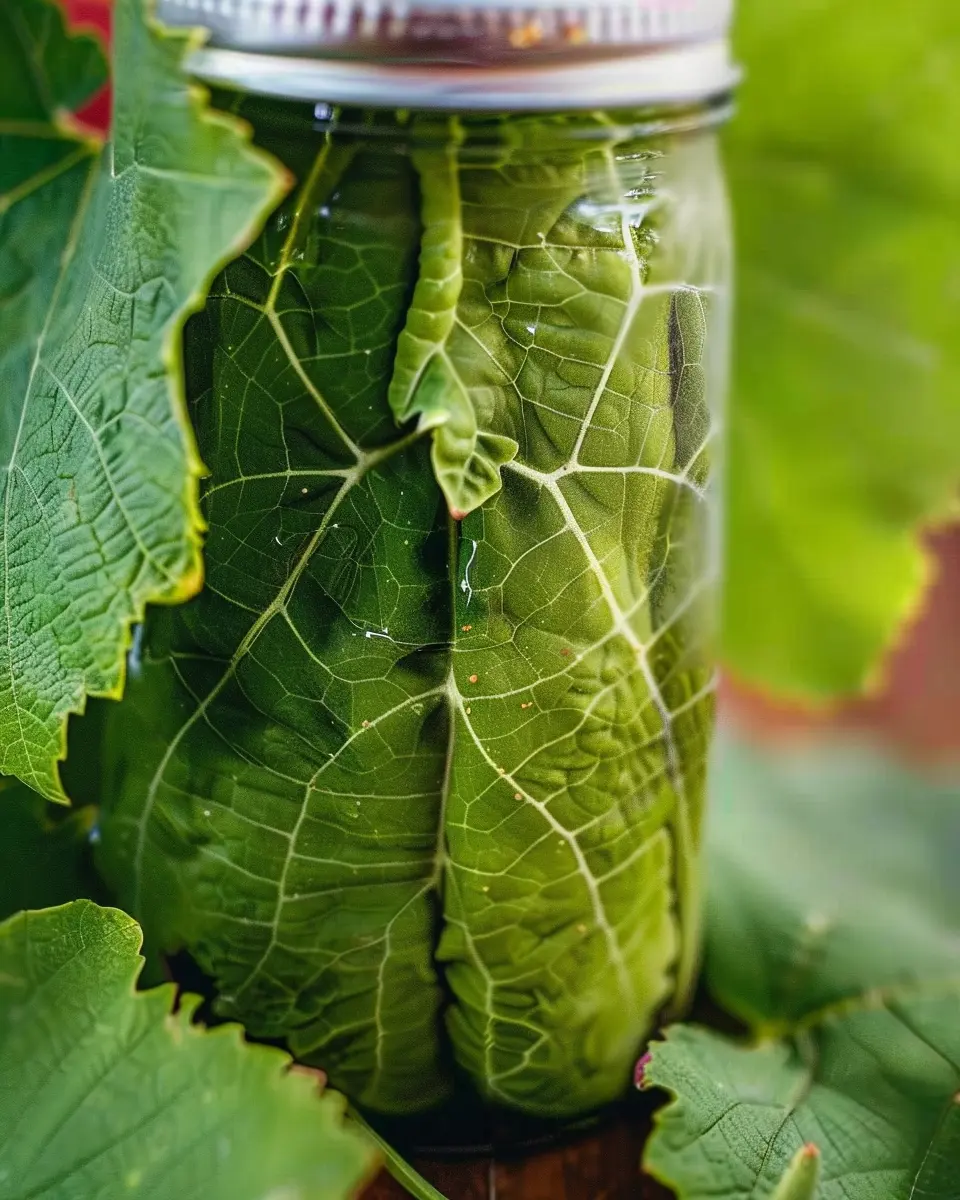
When you’re learning how to pick and pickle grape leaves, you’ll find that there’s no one-size-fits-all method. Exploring variations can elevate your grape leaf game to a whole new level!
Quick Pickling Method
If you’re short on time, the quick pickling method is ideal. Simply bring a mixture of vinegar and water to a boil, add salt and sugar to taste, and then pour it over your prepared grape leaves. After letting them cool for about 30 minutes, they’ll be ready to enjoy. This method is great for spontaneous gatherings or when you want a tangy snack in a flash.
Spicy Pickled Grape Leaves
For those who enjoy a bit of heat, why not make spicy pickled grape leaves? Just add crushed red pepper flakes or even sliced jalapeños to your brining solution. The spiciness complements the natural flavors of the leaves beautifully. Plus, you can adjust the heat level to suit your palate. A touch of cayenne or a spoonful of sriracha can transform your pickled leaves into the star of any party.
Herbs and Spices to Enhance Flavor
Feeling adventurous? Experimenting with herbs and spices can really enhance your pickled grape leaves. Try incorporating:
- Garlic: A few cloves can add a rich, savory flavor.
- Dill: This herb gives a wonderful freshness that pairs well with grape leaves.
- Bay leaves: One or two can introduce depth and complexity to your pickling mix.
These additions can transform a classic recipe into something uniquely yours. If you want more inspiration, check out sources like The Herb Society of America for ideas on flavor combinations.
So, what will you try first?
Cooking Tips and Notes for Pickling Grape Leaves
Choosing the Right Grape Leaves
When learning how to pick and pickle grape leaves, it’s crucial to select the right variety. Young, tender leaves are ideal as they are more flavorful and easier to work with. Aim for leaves that are vibrant green with no blemishes or yellowing. Look for those that are about 4-6 inches long; they should feel soft and not too thick.
Ensuring Proper Sterilization
Sterilization is key to preserving your homemade pickles safely. Ensure jars and lids are cleaned with hot, soapy water, then submerged in boiling water for a few minutes. This prevents unwanted bacteria from spoiling your cherished grape leaf pickles.
Storage Recommendations
Store your pickled grape leaves in a cool, dry place. If sealed properly in sterilized jars, they can last for up to a year. After opening, keep them refrigerated, where they should stay fresh for several weeks. Remember, the flavors deepen with time, so be patient!
For more detailed tips, check out this article on pickling techniques and explore how pickling your garden goodies can be a delightful experience!
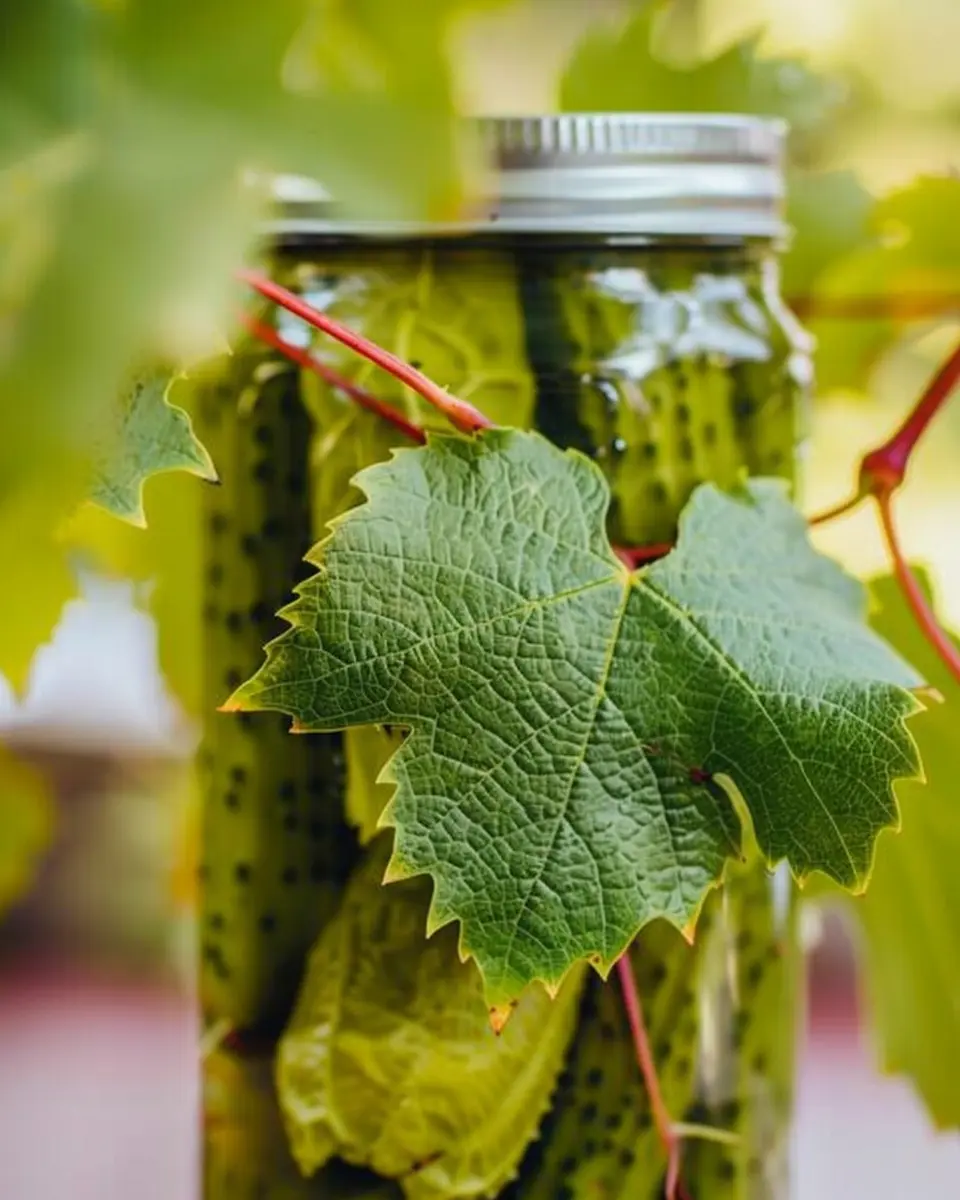
Serving Suggestions for Pickled Grape Leaves
Traditional Dolma Recipes
When you think about how to pick and pickle grape leaves, the first thing that comes to mind is dolma. These savory stuffed grape leaves are a Mediterranean staple and can be filled with a variety of ingredients like rice, spices, and even Turkey bacon or Chicken ham for a delicious twist. They make for a fantastic main dish alongside a dollop of yogurt or tzatziki. You can serve them warm or at room temperature, making them perfect for gatherings or meal prep.
Creative Appetizers and Pairings
Feeling adventurous? Try using pickled grape leaves in innovative ways! Here are some ideas:
- Charcuterie Boards: Add them to your cheese board for a tangy kick.
- Sandwich Wraps: Substitute grape leaves for traditional wraps or tortillas—perfect for a gluten-free option.
- Stuffed Appetizers: Create bite-sized appetizers by filling grape leaves with whipped feta, herbs, and walnuts.
For a refreshing drink pairing, consider sparkling water infused with lemon or herbs to balance the tartness of the grape leaves. Get started with these delightful options and elevate your culinary repertoire!
Time Breakdown for Pickling Grape Leaves
When diving into the delightful process of pickling grape leaves, it’s helpful to understand the time commitment involved. Here’s a breakdown to keep you organized as you learn how to pick and pickle grape leaves.
Preparation Time
Getting ready to pickle grape leaves usually takes around 30 minutes. This includes gathering your supplies, washing the leaves, and prepping your brine mix. It’s a hands-on process that can be fun, so don’t rush!
Pickling Time
Once your leaves are ready, the actual pickling process takes about 15 minutes. This is where you’ll immerse those leaves in the flavorful brine, setting the stage for their delicious transformation.
Total Time
In total, expect to spend about 45 minutes from start to finish. This quick method allows you to enjoy the unique taste of home-pickled grape leaves without consuming your entire day. For more tips and tricks, check out resources from Harvard Health on preserving foods for additional insights. Happy pickling!
Nutritional Facts for Pickled Grape Leaves
Calories and macronutrients
Pickled grape leaves are a low-calorie powerhouse, with approximately 20 calories per 100 grams. These leafy greens offer a combination of essential nutrients, including:
- Carbohydrates: About 4 grams, providing a light source of energy.
- Protein: Roughly 2 grams, important for muscle building and repair.
- Fats: Minimal, around 0.5 grams, making them a heart-healthy choice.
Health benefits of grape leaves
When exploring how to pick and pickle grape leaves, you’re not just enjoying a tasty treat. Grape leaves are rich in antioxidants, vitamins A, C, and K, which support your immune system and skin health. They’re also high in fiber, promoting healthy digestion. Research suggests that these leaves may help regulate blood sugar levels and support cardiovascular health, making them a smart addition to your diet.
For more information on the nutritional value of leafy greens, check out Healthline. Embrace the benefits of pickling while enjoying a unique flavor boost in your meals!
FAQs about Pickling Grape Leaves
Pickling grape leaves can be a delightful culinary adventure, but you might have a few questions. Let’s dive into some common concerns that many budding picklers have!
Can I use frozen grape leaves?
Absolutely! If you find yourself with a surplus of fresh grape leaves, feel free to freeze them for later use. Just make sure to blanch them briefly in boiling water before freezing to preserve their color and texture. When you’re ready to use them, simply defrost and follow your pickling recipe as usual. While fresh leaves often provide the best flavor, frozen leaves can still give you delicious results!
What do pickled grape leaves taste like?
The taste of pickled grape leaves is simply divine! They offer a balance of tangy and savory notes, infused with the spices and seasonings used during the pickling process. Many describe them as having a slightly sour, earthy flavor with a hint of herbaceousness. They can elevate dishes like dolmas or be enjoyed right out of the jar. If you’re curious about pairing, they go wonderfully with savory dishes featuring Turkey Bacon or Chicken Ham.
How long do pickled grape leaves last?
When properly pickled and stored in a sealed jar in the refrigerator, pickled grape leaves can last for about 6 months. To ensure maximum longevity, always use clean utensils when you’re taking them out, and check for any signs of spoilage before consuming. For more storage tips, check out resources like the National Center for Home Food Preservation to keep your pickles fresh and tasty!
This FAQs about pickling grape leaves section should help clear up some of your concerns and make you more confident in your pickling journey! Enjoy the process and happy pickling!
Conclusion on Pickling Grape Leaves
Embracing homemade goodness
As we wrap up our exploration of how to pick and pickle grape leaves, remember that this delightful kitchen adventure is an excellent way to embrace homemade goodness. Not only do your own pickled grape leaves bring a burst of flavor to various dishes, but they also allow you to connect with nature and seasonal produce.
Next time you spot those vibrant green leaves, consider the joy of crafting your own preserves. Whether you enjoy them in stuffed recipes or as a tangy side, your efforts will surely impress. So grab your jars and get ready to savor the tastes of your handiwork! For more tips on preserving fresh produce, check reputable sources like The Kitchn or Serious Eats.
PrintHow to Pick and Pickle Grape Leaves for Delicious Homemade Wraps
This article provides step-by-step guidance on how to pick and pickle grape leaves for making delicious wraps at home.
- Prep Time: 30 minutes
- Cook Time: 10 minutes
- Total Time: 40 minutes
- Yield: 10 jars 1x
- Category: Preserves
- Method: Pickling
- Cuisine: Mediterranean
- Diet: Vegetarian
Ingredients
- 50 fresh grape leaves
- 4 cups water
- 1 cup white vinegar
- 1/4 cup salt
- 2 cloves garlic, crushed
- 1 teaspoon dill seeds
- 1 teaspoon peppercorns
Instructions
- Rinse the grape leaves in cold water and remove any stems.
- Prepare a brine with water, vinegar, and salt in a large pot.
- Add garlic, dill seeds, and peppercorns to the brine and bring to a boil.
- Once boiling, add the grape leaves and blanch for about 2 minutes.
- Remove the grape leaves and let them cool before packing them into jars.
- Pour the hot brine over the grape leaves in the jars, ensuring they are fully submerged.
- Seal the jars tightly and let them cool to room temperature before storing them in the refrigerator.
Notes
- For best results, use young and tender grape leaves.
- Experiment with other spices for different flavors.
Nutrition
- Serving Size: 5 leaves
- Calories: 25
- Sugar: 0 g
- Sodium: 1500 mg
- Fat: 0 g
- Saturated Fat: 0 g
- Unsaturated Fat: 0 g
- Trans Fat: 0 g
- Carbohydrates: 5 g
- Fiber: 1 g
- Protein: 1 g
- Cholesterol: 0 mg
Keywords: pickling, grape leaves, homemade wraps, recipes